


Hand Bamboo or Diatomite Mat – Hygiene & Drying Compared: in 2026, this isn’t a trivial choice. It shapes how clean your bathroom, sink, and kitchen counter feel day after day.
Wondering how these materials stack up when used for a bath mat, a faucet mat, or a dish drying stone tray?
This mobile-first guide puts bamboo and diatomite head-to-head: drying speed, mold risk, cleaning effort, slip control, and multi-room use. You’ll get exact tips, simple routines, and a clear verdict—always framed as hygiene and drying compared.
Drying speed: results compared
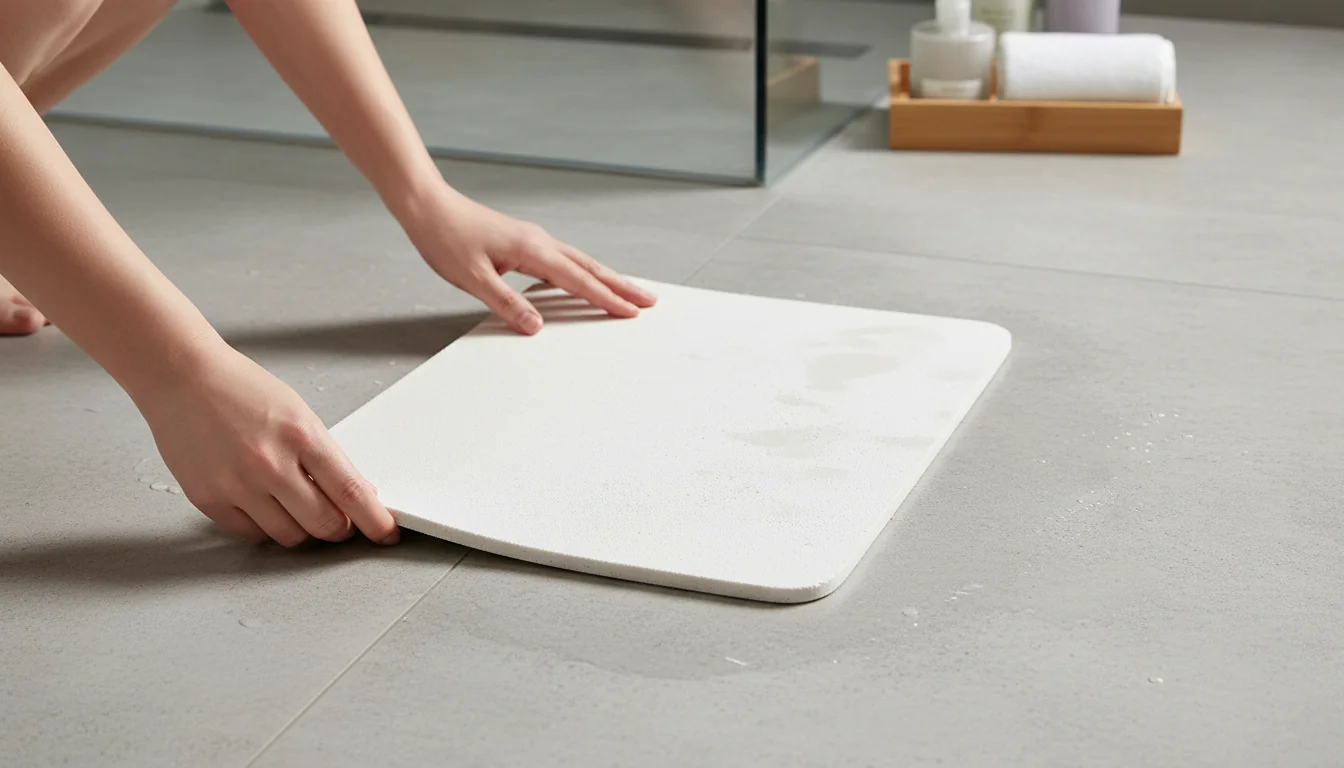
When moisture hits the surface, diatomite behaves like a thirsty stone drying mat, while bamboo relies on airflow. Here’s how the two perform once your feet, hands, or dishes drip water onto the mat.
| Metric | Diatomite (stone) | Bamboo (slatted/fiber) |
|---|---|---|
| Visible wet footprint fade | under 5 minutes in typical home humidity | depends on airflow; often 30–120 minutes |
| Pooling after showers | water absorbs, spreads, then evaporates | drips pass through slats; underside may trap moisture |
| Kitchen dish drying | rapid surface uptake; no fabric to stay damp | works as a rack base; speed tied to ventilation |
- Diatomaceous earth is highly absorbent, wicking water into micro-pores.
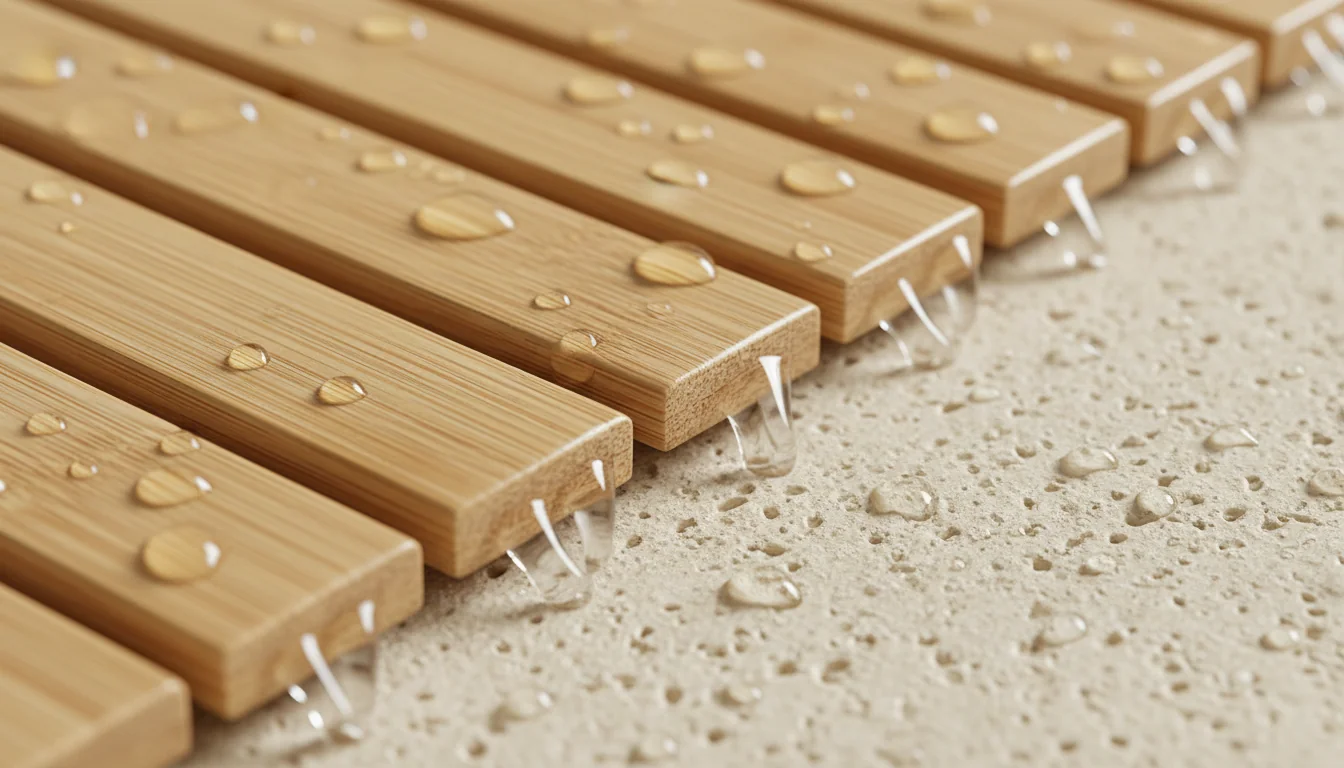
- Bamboo dries by convection; quick-dry claims hinge on room circulation.
- For hand drying at the sink, stone mats leave no soggy towel to manage.
- Bath stones reduce lingering humidity compared with soft bath mats.
Test evaporation: drip 1 teaspoon of water. If a stone mat clears the wet halo in under 5 minutes, you’ve got efficient capillary action.
Bottom line compared: stone is faster at surface drying; bamboo can match only in well-ventilated bathrooms or kitchens with active airflow.

Hygiene control: moisture compared
Hygiene is about what stays wet. Diatomite starves microbes by drying fast; bamboo stays sanitary if you manage airflow and wipe standing water from the floor and underside.
- Mildew risk: lowest on stone when moisture vanishes quickly.
- Bamboo can harbor mold between slats if the base remains humid.
- Hand drying at sinks benefits from non-fabric surfaces that don’t stay damp.
- In high-use homes, rapid evaporation reduces musty odors and residue.
Food safety rules dated Jan 1, 2026 define a Hand Drying Provision at the handwashing sink. Fast surface drying near that zone improves cleanliness in personal hygiene.
If you favor mineral surfaces for low residual moisture, explore our stone-forward selection to see formats that pair well with bath and sink counters.
Avoid harsh “formaldehyde removers” or bleach on bamboo finishes. Gentle cleaners preserve the seal and reduce cracking or warping.
Hygiene compared in one line: stone reduces damp time; bamboo stays hygienic with disciplined drying habits.
Foot safety: grip compared
Grip matters on slick tile. Diatomite mats are firm, textured, and non-slip on dry floors; bamboo offers traction through slats but can slide if the base is wet.
- Stone’s non-slip feel improves as the surface dries almost instantly.
- Bamboo needs a non-slip base or rubber feet to stay planted.
- For handwashing zones, stable footing reduces splash and mess.
- In kitchens, a stable dish drying mat protects countertops from sliding racks.
Test stability with wet feet: step, pivot gently, and check for movement. Add non-slip backing if the mat shifts more than a few millimeters.
Prefer warmer traction underfoot? Browse our bamboo-focused range for slatted and rolled formats that sit flatter on uneven floors.
Never place any hard mat on top of loose rugs. Layering reduces friction and can defeat anti-slip features.
Grip compared: stone excels on smooth tile; bamboo needs a secure base, especially in steamy bathrooms.
Care and lifespan: upkeep compared
Stone mats thrive on simple routines; bamboo rewards consistent airflow and light cleaning. The right habits extend life in both cases.
- Diatomite: rinse or wipe; spot-sand mineral stains lightly, then dry upright.
- Bamboo: wipe top and underside; flip weekly; keep slats elevated to prevent moisture rings.
- Avoid soaking any mat. Fabric dryers are for towels, not hard mats.
- Re-seal bamboo periodically if finish dulls from frequent washing.
Some diatomite formulations are denser and resist chips better. Weight and thickness often indicate durability for daily bath use.
If you want alternatives across the bathroom, explore this broader bath mat selection to mix a stone mat at the tub with a different texture at the vanity.
Sand diatomite outdoors or under good ventilation; avoid inhaling dust. For bamboo, a diluted vinegar wipe helps manage odor without harsh residues.
Upkeep compared: stone favors low-effort hygiene; bamboo rewards consistent, mindful drying.
Kitchen counters: usage compared
Dish drying needs are different from bath routines. Diatomite doubles as a dish drying mat and faucet mat; bamboo acts as a rack base or tray with warmth and texture.
- Stone trays as splash guards protect counters behind the faucet.
- For soap dish and dispenser zones, stone stays dry and hygienic.
- Bamboo under a rack looks natural but holds drips unless lifted to vent.
- In busy kitchens, stone surfaces clear water quickly between cycles.
Note the size of faucet ledges. A long, water-absorbing stone tray can prevent moisture where sponges rest and reduce streaks around the sink.
Trends on Home Supplies platforms, including TikTok Shop, highlight “Faucet Mat for Kitchen Sink – Diatomite Stone Drying Mat & Sink Protector” styles. Evaluate material density and non-slip feet rather than short-term promo buzz.
If you hear “dries in seconds,” verify with a teaspoon test. True quick-dry stone should lose visible water within minutes on the kitchen counter.
For utensil holders and soap bottles, a slim stone strip can soon feel like an essential item in your kitchen, keeping the counter tidy and odor-free compared with regular fabric mats.
Style and feel: comfort compared
Texture, temperature, and tone matter. Stone feels cool and minimal; bamboo reads warm and organic. Both pair well with neutral bathrooms and modern kitchens.
- Stone’s flat plane shows clean lines; water darkens then fades like a shadow.
- Bamboo’s grain brings spa-like warmth and a softer step.
- For small bathrooms, a compact stone rectangle saves visual space.
- In living spaces with wood accents, bamboo mats echo the surrounding tones.
Note: There may be variations in color and size compared to product photos; stone’s mineral makeup and bamboo’s natural grain are never identical.
Comfort compared: pick stone for a crisp, cool step; pick bamboo for warmth and a subtly springy feel underfoot.
Guide 2026: choose with evidence
- Map zones: bath exit, handwashing sink, or kitchen counter?
- Rate humidity: do you run ventilation after showers for 20 minutes?
- Pick by outcome: drying speed versus tactile warmth and look.
- Plan upkeep: wipe wood weekly; rinse stone; restore if stained.
- Check safety: add non-slip feet or pads on glossy tile.
For narrow bath spaces, slender stone trays double as a faucet mat and a soap dish, consolidating wet zones.
If a neutral, tile-texture stone appeals to you, consider this understated beige stone style as a reference point when options are compared.
Trends in 2026 show dish drying stone mats popular in Home Supplies. Mentions on platforms like TikTok Shop reflect utility, not just aesthetics.
Why compare bamboo and diatomite?
Because drying speed directly affects hygiene. When stone and wood are compared under daily use, diatomite minimizes moisture time, while bamboo balances warmth and airflow-dependent drying.
How does this stack up to other options?
Relative to fabric rugs, both materials cut drying time. If you like dark wood tones, see this sleek black bamboo format as a visual benchmark in side-by-side decisions.
What are the top hygiene advantages?
Set against bamboo, diatomite dries in minutes and discourages mildew. For wood lovers, slatted designs help—like this ventilated bamboo style that improves under‑mat airflow.
Does the choice suit small spaces?
Yes. Narrow trays work as splash guards on compact counters. For tiny bathrooms, evaluate this compact bamboo footprint when layouts are compared.
Best way to maintain each material?
Diatomite: rinse, wipe, and sand stains lightly. Bamboo: wipe, dry on edge, re‑seal periodically. For faucet zones, consider water‑absorbing stone trays marketed as splash guards and sink protectors.
Is any of this tied to regulations?
Yes—food sanitation rules emphasize a Hand Drying Provision at the handwashing sink. Drying, when compared to washing alone, is fundamental to personal hygiene in shared spaces.
Do promo codes or marketplaces matter?
Platforms like TikTok Shop list faucet mats and dish drying stones. Focus on material performance and sizing first; deals are secondary to hygiene outcomes when solutions are compared.
Hygiene and drying, compared across real use, put diatomite ahead for speed and bamboo ahead for warmth—your routine decides the winner.
- Fast evaporation favors stone in bath, sink, and kitchen zones.
- Bamboo excels with airflow and disciplined weekly drying.
- Safety improves with non-slip feet and smart placement.
If you’re leaning natural wood for 2026, review this warm-toned bamboo reference as you weigh hygiene and drying compared to stone.
0 comments