


Absorbent Bath Mat


Your bathroom floor shouldn’t stay damp after a shower. Puddles create slip risk, warp wood, and track water into hallways. An absorbent bath mat solves this by capturing moisture the moment you step out, then releasing it rapidly so the surface stays usable between showers. The right mat also cushions pressure points and shields grout lines from repeated splashes.
This collection focuses on one thing only: the mat. Not a runner, not a towel, not a decorative rug—purpose-built floor protection designed for wet zones. Here, you’ll find how a mat’s fiber density, pile height, backing, and mineral content translate into fast drying times, steady traction, and hygienic care. Scan the sections below to match your space with a mat that measures up, then compare options in our quick-reference tables.
Prefer to skim? Jump to absorption metrics, non-slip details, comfort feel, or care tips—and choose your next absorbent bath mat with confidence.
Absorption is more than a buzzword. A true absorbent bath mat manages two opposing tasks: pull water in quickly, then drive it back out as vapor. Think of this as intake capacity and evaporation speed. Materials, construction, and thickness govern both, and the trade-offs are different from runners or decorative rugs that aren’t optimized for wet use.
| Mat build | Water uptake (first 10 sec) |
|---|---|
| Chenille microfiber (dense tuft) | High; filaments disperse droplets across a large surface |
| Memory foam core + velour skin | Moderate–high; cushioned intake, may retain moisture longer |
| Waffle textile (low pile) | Moderate; efficient spread, quicker release to air |
| Diatomaceous stone panel | Instant surface absorption; dries visibly within minutes |
With textile mats, a higher fiber density often means greater intake but longer drying. If your bathroom lacks ventilation, consider a quick‑dry surface (waffle or mineral) to keep the mat ready for the next shower.
Unlike runners or decorative rugs, a bath mat keeps its footprint compact to focus absorbency where it matters: the landing zone in front of a shower or tub. That small format concentrates material performance under your feet while minimizing lingering dampness across the room.
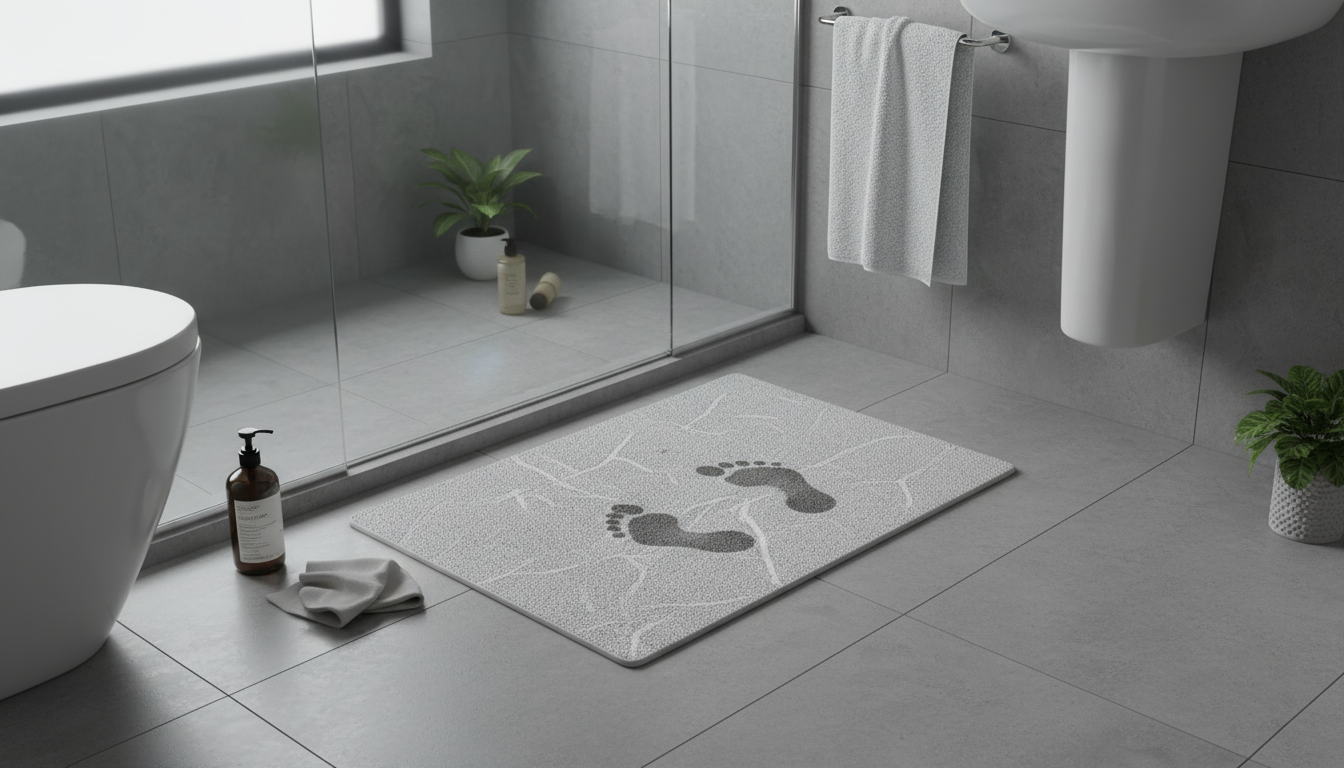
A mat’s job isn’t complete until it resists sliding on tile or vinyl. Traction depends on the pairing of the top surface (which dries your soles) and the base (which grips the floor). This is where mats beat towels and thin decorative rugs: purpose-built backings and balanced stiffness prevent “skating.”
| Backing type | Grip and notes |
|---|---|
| Rubber (NR/SBR) | Strong initial tack; avoid harsh heat to prevent premature aging |
| TPR | Reliable wet traction with good flexibility; resists curling on flat tile |
| Textured PVC | Diamond or dot textures increase friction; wipe base clean for best hold |
| Mineral panel (stone) | Mass aids stability; use included pads or rings to isolate from water films |
Any non‑slip system fails if water is trapped underneath. Before placing the bath mat, dry the area; after each shower, lift the edge or hang the mat briefly to prevent a film from building under the base.
If you prioritize immediate surface dryness plus firm footing, explore the mineral stone range in the diatomite collection, which consolidates hard-surface mats that absorb in seconds and hold steady on flat floors.
Comfort is tactile: how your arches settle, how warm the surface feels, and whether the mat clears the door. These details separate a dedicated bath mat from general rugs or hallway runners that weren’t built for wet, barefoot use.
| Mat profile | Typical thickness and use |
|---|---|
| Low pile / thin quick-dry | ~0.2–0.4 in; clears doors easily, dries fast under airflow |
| Mid pile waffle | ~0.3–0.6 in; balanced feel and evaporation |
| Memory foam plush | ~0.6–1.0 in; soft step, check door gaps before placing |
| Mineral panel | ~0.3–0.5 in; firm underfoot, immediate moisture control |
Measure the door clearance at the mat location. Allow at least 0.2 in of free space over the highest pile to avoid rubbing that can fold edges and shorten the mat’s life.
If texture and visual impact are part of your criteria, see our design-forward bath mats to compare sculpted weaves, graphic surfaces, and low-profile forms that still prioritize absorption and quick drying.
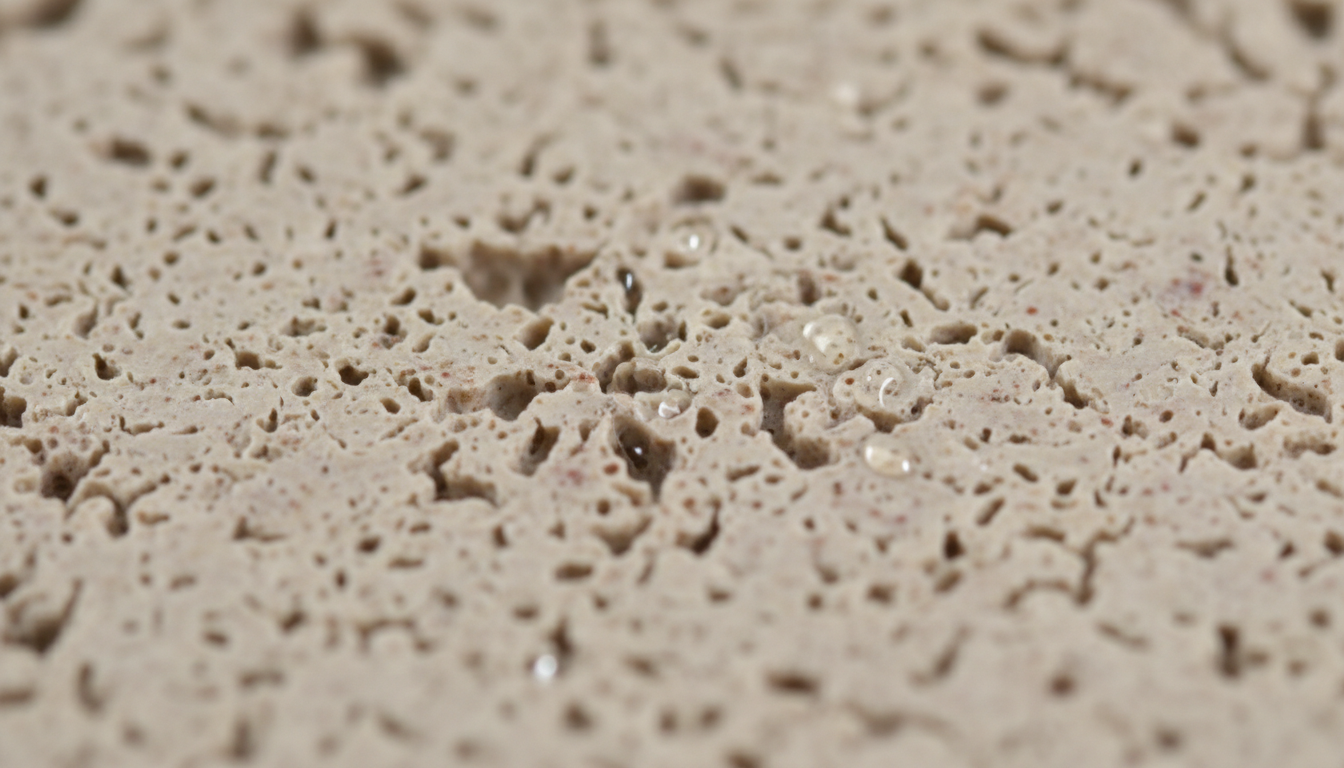
A bathroom mat faces daily humidity and repeated foot traffic. That means easy care is non-negotiable. Here, mats outclass generic rugs because their constructions are designed for frequent washing or wipe-down maintenance with minimal wear.
| Mat type | Routine care |
|---|---|
| Chenille / plush textile | Machine wash gentle; tumble low or air dry; shake out between cycles |
| Waffle / low pile | Machine wash; faster air dry due to low mass |
| Memory foam | Spot clean or gentle wash; allow more time for core to dry fully |
| Diatomite mineral | Wipe or wet-sand lightly to refresh pores; air dry upright |
“A dedicated bath mat simplifies upkeep: right materials, right thickness, right backing—so you spend minutes maintaining, not hours troubleshooting moisture.”
Seeking a softer hand with long-term resilience? Compare thick, plush options that balance cushion with absorbency and detail realistic drying expectations for busy households.

Use these criteria to narrow the field to a mat that matches your space, habits, and floor type.
| Priority | Recommended build |
|---|---|
| Instant surface dryness | Mineral stone mat with micro‑porous face |
| Softer feel | Memory foam or dense chenille textile |
| Low maintenance | Low‑pile waffle (machine wash) or stone (wipe clean) |
| Tight door clearance | Thin quick‑dry textile or slim mineral panel |
If you want firm footing with fast moisture control, consider a flexible stone-based mat that blends mineral absorption with a touch of compliance underfoot.
A mat concentrates absorption where drips land and includes a non‑slip base. Runners spread fabric where it isn’t needed, staying damp longer. Towels lack stable backing and bunch up, increasing slip risk. A dedicated bath mat is engineered for wet, barefoot transitions.
Stone-style mats absorb on contact and dry in minutes; they feel firm and cool. Plush textiles cushion the step and retain warmth but need more time to evaporate. For a firm quick‑dry choice, see rigid mineral panel mats designed for splash zones.
Mats outperform rugs by targeting wet areas, so measure only the landing path. For wider entries, use two mats with a small gap or select an extended format; explore extended-length stone panels when a broader, fast-drying footprint is needed.
Neither is “better”—it’s about routine. Washable mats suit users who launder towels weekly; wipe‑clean mineral mats fit quick maintenance schedules and humid rooms. Choose the care path that aligns with your habits so the mat stays fresh without effort creep.
Start with a clean, dry floor; moisture under any base reduces traction. Select rubber or TPR backings for smooth ceramic. In mineral formats, use included feet or rings to interrupt water films. For high-uptake mineral surfaces, see a high-uptake diatomite surface that pairs absorption with stable placement.
A bathroom upgrade doesn’t require a remodel—just the right mat. By focusing on measurable absorption, quick evaporation, and grounded traction, an absorbent bath mat keeps floors dry, steps steady, and care simple. If you prefer statement visuals with mineral performance, explore graphic mineral designs that double as décor while serving a wet‑zone role.
Ready to refine your setup? Compare materials in the tables above, note door clearance, then choose the format that matches your rhythm—textile cushion or stone‑style speed. Your mat should work as hard as your shower does.


