


Diatomaceous Earth Bath


Stepping out of a hot shower shouldn’t mean stepping into a puddle. A diatomaceous earth bath surface addresses the two pain points unique to the bathroom: fast pooling on cold tiles and the need for dependable non-slip safety when feet are wet. The right bath stone absorbs footprints in seconds, keeps the floor dry, and minimizes cleaning time.
This collection focuses exclusively on how a rigid, porous slab performs in the bath context—at the shower exit, beside the tub, and in front of the sink—where water volume and steam are highest. Expect quick-dry comfort, secure traction, and an elegant hard surface that resists lingering damp. Explore below to choose the best format and texture for your bath routine.
Bath floors see sudden sheets of water—when a shower door opens, when a child hops from the tub, or when steam condenses on cool tiles. A diatomaceous earth bath mat counters this with a rigid, micro-porous stone surface that absorbs on contact and maintains a stable, non-slip grip under wet feet. Unlike plush textiles that saturate, this slab remains flat and supportive.
Place the slab where the first step lands after showering. For walk-in showers, angle the long edge parallel to the opening; for bathtubs, center it where drips concentrate when you reach for towels.
When considering safety in the bath, look at surface texture plus base stability. Textured stone faces add micro-edges that enhance friction, while a steady base (silicone pads or a grippy underlay) helps the mat stay planted on ceramic, porcelain, or sealed concrete.
| Criterion | Bath-specific benefit |
|---|---|
| Surface traction when wet | Textured stone face maintains contact even with soapy drips; stable feel vs. shifting textiles. |
| Instant absorption at shower exit | Pores draw water in quickly, reducing slippery puddles around the bath threshold. |
| Low profile under doors | Thin slab avoids snagging as the bathroom door swings over damp zones. |
“In a bath environment, the safest mat is the one that stays flat, dries fast, and doesn’t migrate when you step on it.”
Confirm the floor is clean and dry before first placement. In public guidelines, a wet DCOF of ≥ 0.42 is often cited as a safe threshold; textured stone faces are designed to help meet practical expectations in real bath use.
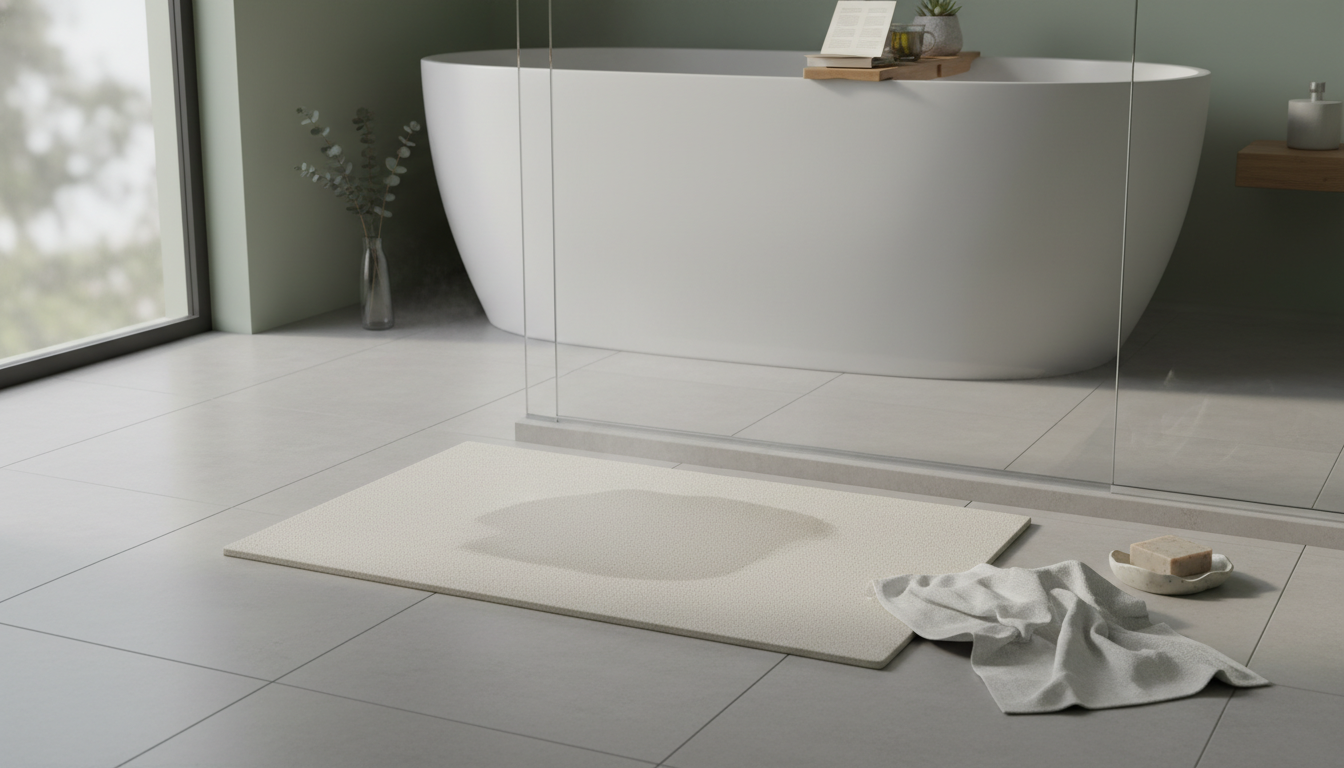
The bath setting produces back‑to‑back wet footprints, steam, and splashes. A stone bath mat made from diatomite disperses moisture into its network of pores, then releases it back to the air. That means quick dry cycles between showers, with fewer chances for lingering damp that can mark grout or cool tile.
| Environment | Typical footprint fade time |
|---|---|
| Warm, well-ventilated bath | ~30–60 seconds |
| Average bathroom humidity | ~60–120 seconds |
| Small bath with poor airflow | ~2–4 minutes |
If pure absorbency is your top priority, consider exploring a complementary set of absorbent formats in the bath category via the absorbent bath range to compare thickness, texture, and placement for different wet zones.
Diatomite is a fossilized, silica‑rich material. In a bath context, that porosity is harnessed to move moisture away from the surface, helping keep tiles dry and footsteps steady between showers.
The bath environment concentrates soap, hair, and hard‑water marks. A diatomite bath slab wipes clean and tolerates occasional scrubbing without piling or fraying. Because the face is not a fabric, it is inherently less prone to staying damp, helping reduce odors that often linger in traditional bath rugs.
| Maintenance task | Bath-specific guidance |
|---|---|
| Weekly wipe-down | Use mild soap and a soft-bristle brush to remove soap film near the shower entrance. |
| Monthly refresh | Light sanding restores the absorbent face if water begins to bead after heavy bath use. |
| Deep clean | Rinse, lean upright, and allow full air flow. Avoid soaking the slab in a full tub. |
For those balancing maintenance with style in a bath setting, browse design-forward pieces that pair clean lines with stone functionality at the shower exit or beside a freestanding tub.
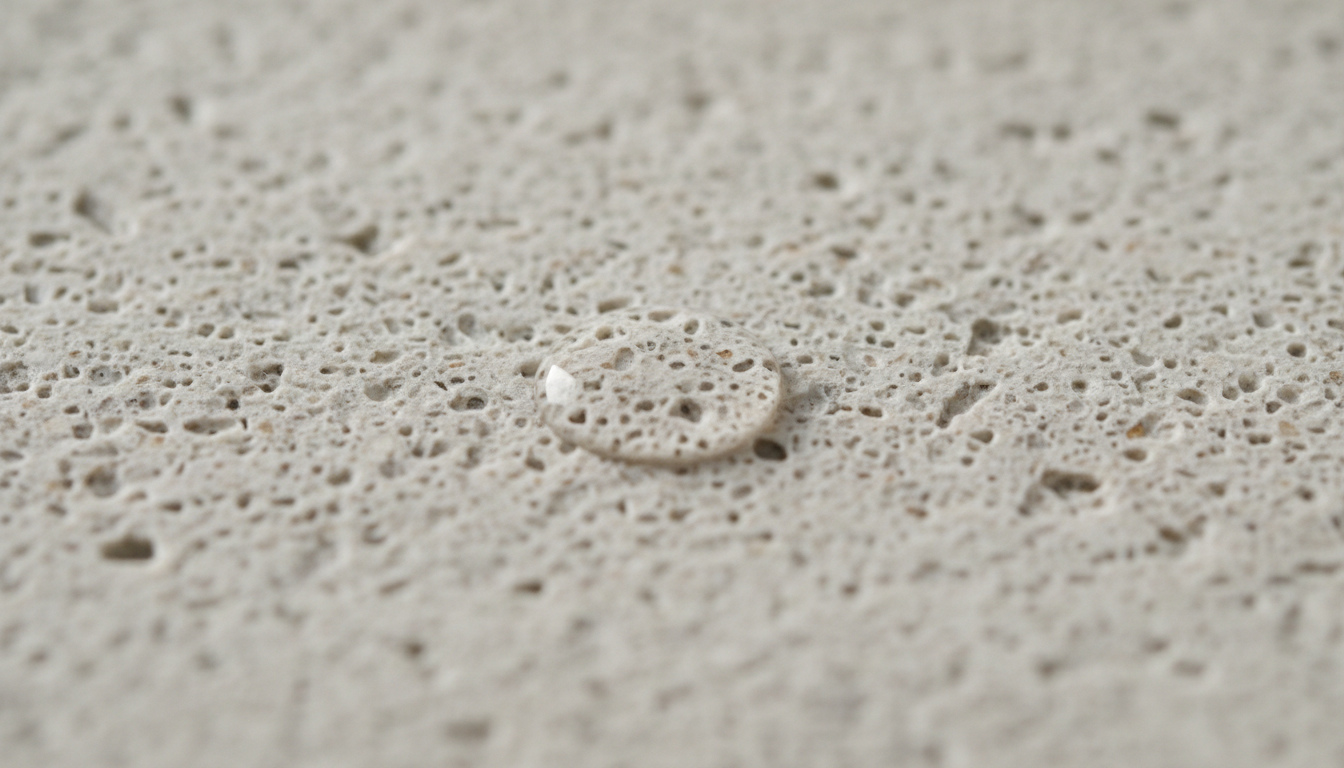
Bath zones differ: a walk‑in shower needs a long edge to catch both feet; a tub prefers centered coverage; a vanity area benefits from a smaller rectangle where drips collect near the sink. Choose sizes that align to the first landing step and the path to towels.
| Bath placement | Recommended format |
|---|---|
| Walk‑in shower exit | 24" × 15" or longer; align long side with opening for full‑foot coverage. |
| Bathtub step‑out zone | Standard rectangle centered on the tub lip to catch both heels. |
| Vanity / sink front | Compact slab; thin profile to fit under doors swinging inward to the bath. |
If you need to round out a bathroom set beyond the stone slab, see broader bathroom mats to coordinate textures around the tub and vanity without losing drying performance at the shower exit.
In the bath, sizing is performance: coverage that matches first contact keeps puddles off tile, speeds evaporation, and sustains a cleaner floor cycle to cycle.

Selecting for the bath means prioritizing fast absorption where water lands, stable footing, and dimensions that match the fixture. Use these criteria to refine your choice for a stone bath mat placed by the shower or tub.
| Bath need | What to prioritize |
|---|---|
| Busy shower cycles | Quick-dry absorption and larger footprint to capture repeated steps. |
| Small bath, tight door gap | Thin, compact slab that fits under doors without catching. |
| Spa-like tub area | Textured face for traction and a length that centers on the tub lip. |
Prefer a softer touch underfoot while preserving stone‑level absorption in the bath? Consider a flexible mineral diatomite model that maintains quick-dry performance at the shower exit with slightly more give.
For a minimal, rigid slab devoted to bath use, a classic diatomite bath slab keeps puddles off tile and feels steady beneath wet soles after every rinse.
Because the bath concentrates water and steam, a porous stone that absorbs instantly and dries rapidly helps keep tiles safer and cleaner. The rigid format stays flat at the shower exit, while the thin profile slides under doors and aligns to tight bathroom layouts.
In the bath, textiles feel plush initially but retain moisture between showers. A stone mat absorbs footprints quickly, resists bunching, and wipes clean. For those who still want some softness by the tub, pair a compact stone at the shower exit with a small textile near the vanity.
Key benefits in a bath setting include:
Yes. A compact diatomite pad offers thin clearance and fits under doors while catching drips near a small shower exit or pedestal sink. Choose dimensions that align with the first step to prevent puddles forming beyond the mat’s edge.
For wide bath thresholds, an extra-long 80–90 cm format extends coverage so both feet land securely on stone. It’s helpful in family bathrooms where repeated step‑offs demand quick-dry performance across a bigger area.
For bath-specific care:
A diatomaceous earth bath surface excels where it matters: right at the shower exit and beside the tub. Expect fast evaporation, a firm, non‑slip feel, and a cleaner floor between back‑to‑back showers. To complete a bathroom setup, consider a stone-surface option sized precisely to the first landing step for dependable day‑to‑day use.


