


Chenille Bath Mat


Stepping from a hot shower onto cold tiles is unpleasant; stepping onto pooled water is risky. A dedicated chenille bath mat solves both in one move. Placed right where drips happen, a mat’s dense pile drinks water fast while a stable backing anchors each step. Unlike decorative rugs that roam around the bathroom, a functional bath mat is engineered for splash zones and daily turnover.
This page explores what sets a mat apart: targeted absorption at the tub edge, non-slip traction under wet feet, quick-dry construction, and practical sizing that fits door swing and layouts. You’ll see how to choose the right mat for your shower or bath, compare materials, and maintain it for long-lasting comfort. Browse below and find the chenille mat that gets water off the floor—and keeps you steady.
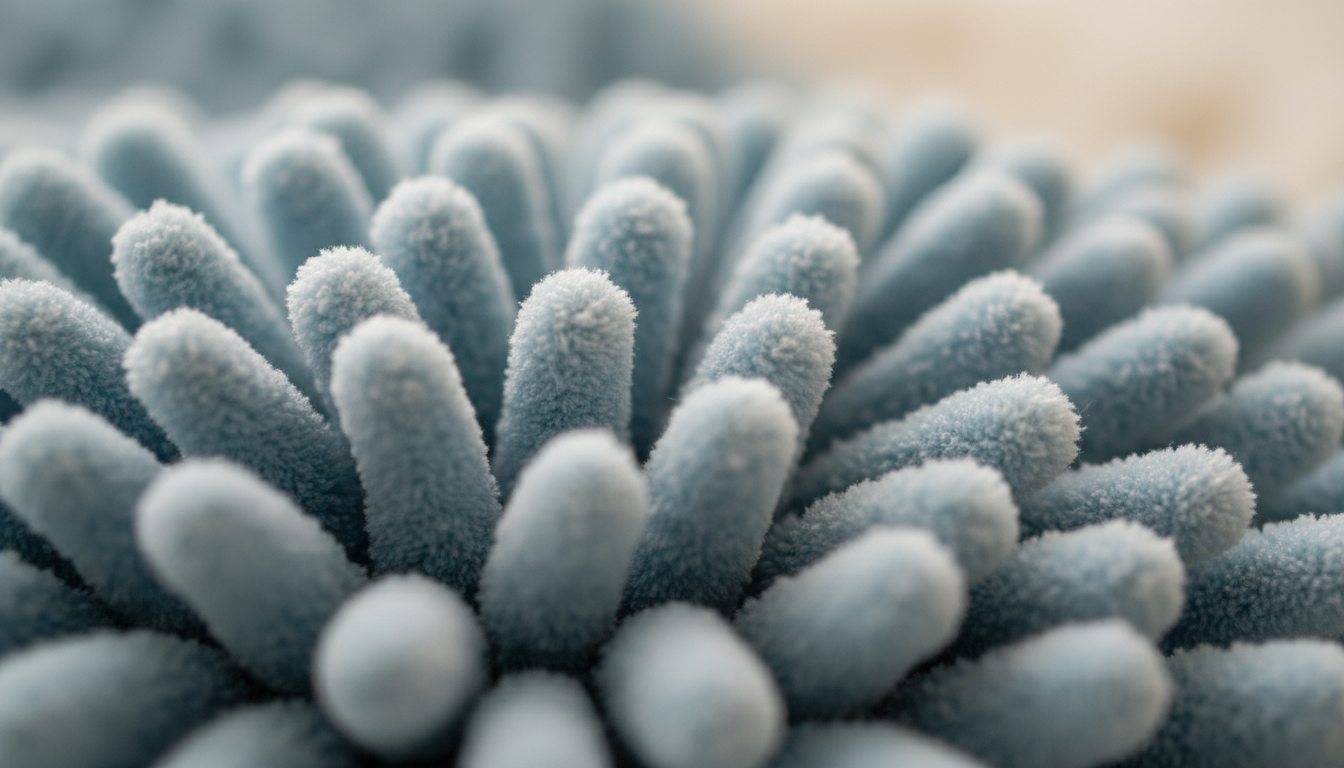
A mat belongs exactly at the exit of a shower or tub—where water actually drips. That singular purpose shapes its build. In chenille, microfibers or cotton yarns are tufted into plush noodles, bobbles, or shaggy clusters that create high surface area. The result: rapid moisture capture and a cushioned landing that feels soft underfoot while pulling water off skin quickly.
Compared with decorative bathroom rugs, a mat’s perimeter binding and compact footprint are optimized for wet thresholds—minimizing edge curl and improving water pick-up right where you step.
Material choice fine-tunes performance. Microfiber chenille excels at speed and volume of absorption; cotton chenille offers natural hand-feel with strong soak potential and easy laundering. Select based on how quickly you need the mat to recover between uses.
| Criterion | Microfiber Chenille Mat | Cotton Chenille Mat |
|---|---|---|
| Absorption speed | Very fast wicking, quick-dry turnover | Fast, excels in heavy soak |
| Feel underfoot | Plush, velvety pile; shaggy options available | Soft, natural touch, slightly firmer loops |
| Drying window between baths | Shorter—good for shared bathrooms | Moderate—great overnight recovery |
| Care | Machine-wash cold; tumble low; low lint | Machine-wash cold; gentle; hang or low tumble |
"If you want your mat to absorb water quickly, favor chenille with tight noodle loops; they create capillary channels that move moisture off your feet and retain it in the pile."
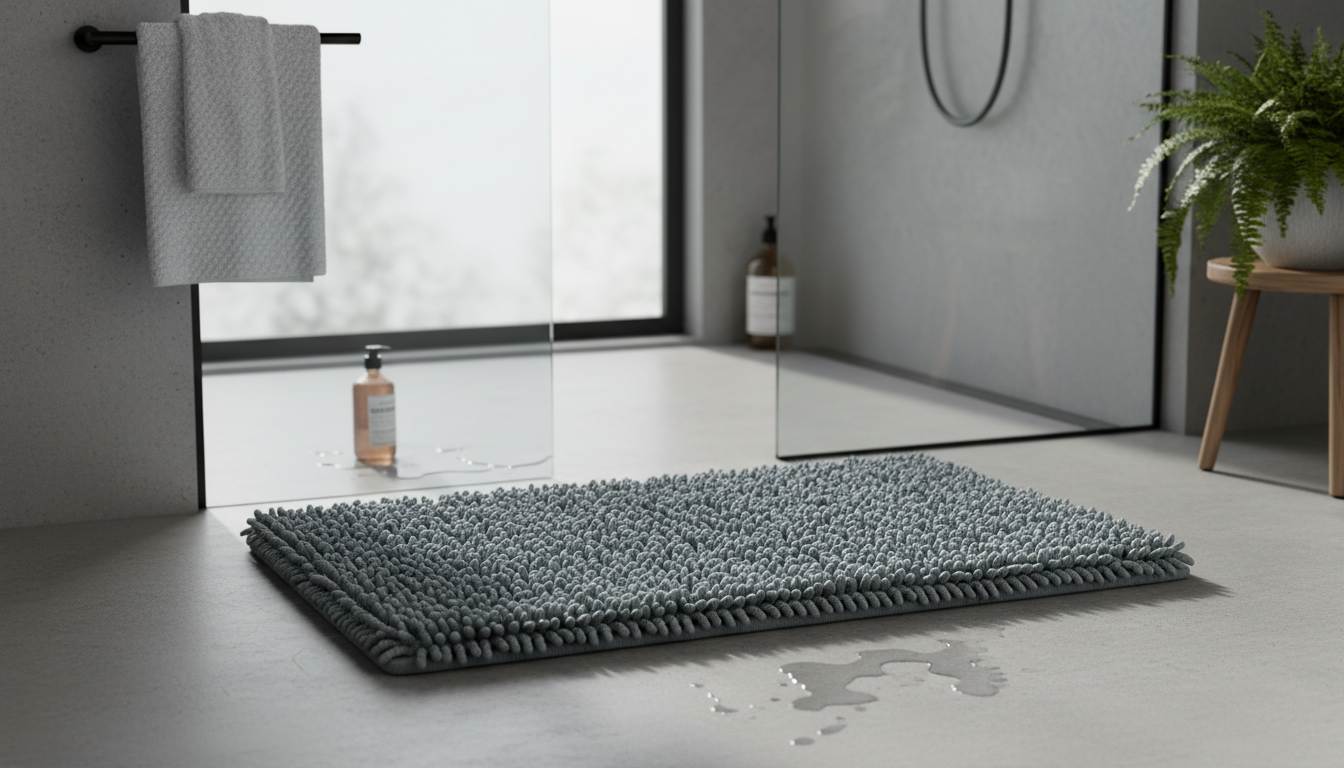
A bath mat must stay put on bathroom tiles. That’s why backing matters as much as pile. Popular non-slip choices include TPR (thermoplastic rubber), SBR (synthetic rubber), and PVC formulations—each balancing grip, flexibility, and wash durability. The goal is stable traction when water, soap, and shampoo make floors slick.
| Backing type | Grip on tile | Care notes |
|---|---|---|
| TPR sheet | High traction, flexible, low odor | Wash cold; tumble low; avoid fabric softeners |
| SBR rubber | High grip; slightly heavier hand | Air-dry preferred; limit dryer heat |
| PVC dots | Moderate grip; budget-friendly | Use gentle cycles; avoid high-temp drying |
Non-slip performance depends on a clean floor. Lift the mat weekly, wipe the bathroom floor, and let both surfaces dry fully before replacing. This maximizes grip and extends backing life.
If you need deeper traction coverage beyond a single threshold, see related non-slip options in our references with added grip—always anchored on the same mat-focused engineering for wet tiles.
A mat is used daily, so care must be simple. Most chenille mats are machine washable: cold water, gentle cycle, mild detergent, and low tumble. Fabric softeners can coat fibers and slow wicking; skip them to preserve fast drying. Shake out lint before washing to protect the backing and keep pile fluffy.
| Care step | Recommendation for a chenille mat |
|---|---|
| Pre-wash | Shake outdoors to release dust; spot-treat stains |
| Machine cycle | Cold, gentle; wash separately or with similar textiles |
| Detergent | Mild; avoid bleach except for spot treatment if needed |
| Drying | Tumble low or hang; reshape edges by hand while damp |
Use a mesh laundry bag to reduce tuft friction in the washer. For cotton chenille, briefly tumble then finish by hanging to lock in pile loft.
For heavier splash management while maintaining easy care, you can also explore our absorbent-focused options—still centered on the mat format sized for shower and tub exits.
Because a mat is sized for a specific task, dimensions matter. Common footprints—17"x24", 20"x32", and 24"x36"—balance coverage with door clearance. Thickness also affects fit: extra-thick piles are luxurious yet may catch under low doors; standard plush piles clear easily while still soaking up drips.
| Zone | Recommended mat size | Why it works |
|---|---|---|
| Shower exit | 17"x24" | Minimal footprint for tight spaces; quick to dry between uses |
| Tub front | 20"x32" to 24"x36" | Wider landing area to capture post-bath runoff |
| Toilet contour area | Separate contour mat if needed | Keep your main mat for the threshold; don’t dilute its task |
If you’re considering a larger decorative piece for the rest of the room, contrast the targeted threshold performance of a mat with the broader coverage offered by the wider bathroom rug selection. Keep at least one true mat at the splash point.

Use these criteria to select a mat that works as hard as your bathroom demands.
| Scenario | Recommended mat features |
|---|---|
| Shared bathroom, multiple showers | Quick-dry microfiber chenille, TPR backing, 20"x32" |
| Spa-like tub routine | Shaggy chenille, thicker pile, 24"x36", air-dry finish |
| Compact shower stall | Noodle chenille, standard plush, 17"x24" |
For warm, earthy palettes, a chenille bath mat in brown adds grounded softness at the splash zone—see this cozy threshold option in brown to pair with natural stone or nutmeg accents.
Designing a calm, coastal scheme? A mat in blue chenille amplifies freshness while keeping water off the bathroom floor; explore this soft-blue mat choice sized for common shower exits.
A mat is engineered for the wet threshold. Its compact footprint, dense chenille pile, and non-slip backing focus on post-shower drips and secure footing. Larger rugs spread coverage but dilute performance at the splash point; keep at least one mat where water lands.
A runner covers length along a vanity, while a mat concentrates on absorption and grip at the tub or shower exit. Choose a runner for dry zones; use a chenille mat for water-heavy spots so drying time stays short and traction stays high.
Key gains include soft cushioning, quick moisture uptake, machine-washable care, and stable underfoot feel. Chenille tufts lift water off skin, while rubberized backings keep the mat in place on tile. Sizes are optimized for thresholds, easing placement and drying.
Yes—use a separate contour piece there, but keep your main chenille bath mat at the shower or tub exit. If you prefer a darker accent around fixtures, consider this contrasting black mat to define zones while maintaining traction.
Wash cold on a gentle cycle; skip softeners. Tumble low or hang. Cleaning the bathroom floor beneath the mat prevents residue that can reduce grip. For large splash areas requiring broader coverage, see this expanded-format chenille mat and allow extra drying time after laundering.
Shower cubicles typically suit 17"x24" or 20"x30"; tubs benefit from 20"x32" or 24"x36". Match the mat width to the opening and ensure door clearance by checking pile height. When in doubt, place paper templates to visualize coverage before purchasing.
Neutrals (beige, gray, silver) blend with stone or concrete; black defines edges for a crisp outline; blue cools bright bathrooms. Choose colorfast chenille with bound edges so the mat keeps its profile through repeated washes and daily use.
A chenille bath mat focuses performance where it matters most: at the threshold. Dense pile pulls water off your feet, a stable backing secures each step, and smart sizing accelerates dry times. For a bold accent that still respects the “true mat” footprint, consider this larger red bath mat to energize the landing zone. Choose one task-built mat—and feel the difference every shower.


