


Green Bath Mat


A bathroom floor can be slick right when you step out of the shower—exactly when a dedicated mat matters most. A green bath mat adds stability underfoot and introduces a calming, nature-inspired tone that softens tile and brightens everyday routines. When chosen well, the mat steadies each step, absorbs water quickly, and dries fast to keep the room fresh.
This page focuses on the bath mat itself: pile density, backing, thickness, sizes, and the specific benefits a green tone brings to the bathroom. Expect practical comparisons and measurable gains—better traction, fewer puddles, and low-effort maintenance—so you can select the mat that performs beautifully day after day.
Scroll for expert guidance on plush vs. low-profile mats, OEKO-TEX certified cotton, microfiber options, rubber backings, and color harmonies from sage to forest. Find your next green bath mat with confidence.
A mat exists to turn a wet zone into a safe zone. The right construction pairs a moisture-hungry surface with stable traction below, preventing slip risks without feeling sticky under bare feet. Compare your options by backing type, surface weave, and thickness—each detail changes how the mat grips tile and how it feels during daily use.
| Criterion | Mat-specific impact in the bathroom |
|---|---|
| Backing type (rubber, TPE, fabric) | Rubber/TPE improve instant grip on wet tile; fabric-backed reversible mats rely on weight and pile texture, better on drier floors. |
| Surface texture (tufted, looped, microfiber) | Tufted cotton feels cushioned; looped terry increases friction; microfiber excels at water pick-up and quick contact-dry. |
| Thickness (mm) | Thicker profile absorbs more and feels softer; low profile lowers trip risk and fits under doors more easily. |
Test a new mat on a fully dry floor first. Step with damp feet in a controlled stance to feel how the rubber backing responds. If the mat budges, wash once to remove finish residues—grip often improves after the first cycle.
Size also drives stability. A compact 20"×31" mat focuses traction at the shower exit; a 24"×36" version anchors in front of a double vanity. For narrow spaces, a bath runner increases contact area, minimizing floor exposure between fixtures.
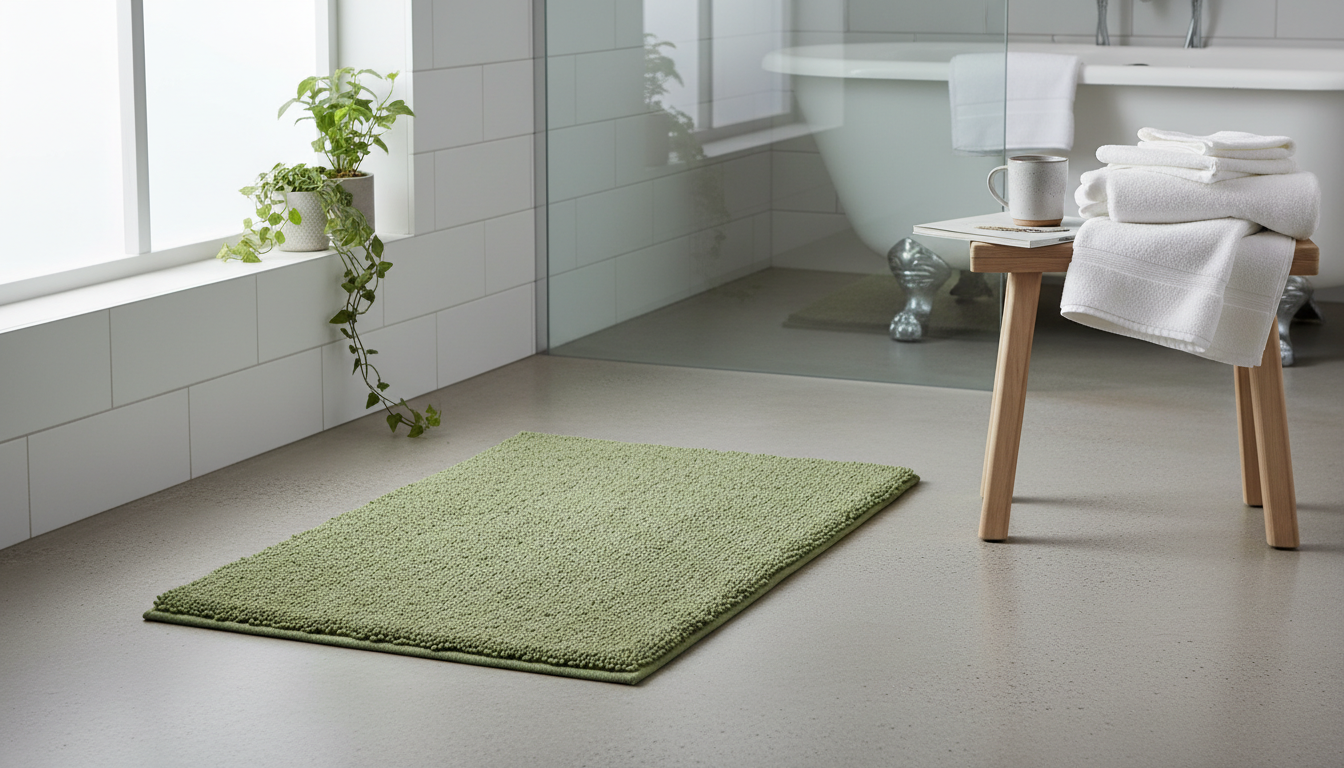
Absorbency is a mat’s core performance metric. When fibers wick quickly, puddles vanish fast and the surface stays comfortable. Beyond raw uptake, look for airflow within the pile and base—this determines how soon the mat returns to dry under everyday use.
| Material | Absorbency & drying in a mat context |
|---|---|
| Cotton (tufted, terry, long-loop) | High water uptake; long-loop piles feel cushy underfoot and trap droplets between fibers for fast clearance. |
| Microfiber (poly blends) | Very quick to wick and quick-dry; ideal near showers where spray is frequent. |
| Bamboo/Modal blends | Silky handfeel with strong absorbency; good for sensitive skin and warm, humid bathrooms. |
To keep a mat feeling fresh, wash on warm with like colors, then tumble on low or air-dry. Shaking the mat after each shower fluffs the dense pile and exposes more surface to air for faster evaporation.
If you want even more options optimized for water uptake, see the absorbent-focused lineup in this dedicated series.
Comfort shows up the instant your feet land. Unlike general bathroom rugs, a bath mat prioritizes moisture management and balanced cushioning where it matters most—by the tub, shower, or vanity. Pile height, stitch density, and fiber type shape the sensation and durability of the mat’s surface.
| Comfort detail | Effect on mat feel and longevity |
|---|---|
| Long-loop cotton pile | Cushy, warm touch; loops rebound after compression and excel at daily bath routines. |
| Microfiber chenille | Ultra-soft feel; fine fibers pull moisture inward and away from skin quickly. |
| Bound edges + anti-curl | Keeps the mat flat and stable over time, especially after machine washing. |
Hotel-style mats often use dense terry in the 700–900 g/m² range. That weight targets the sweet spot between comfort underfoot and fast laundry cycles.
For a broader view of bathroom-specific floor pieces beyond the single-shower zone, you can explore a wider lineup of bath-focused options via this bathroom mats range.
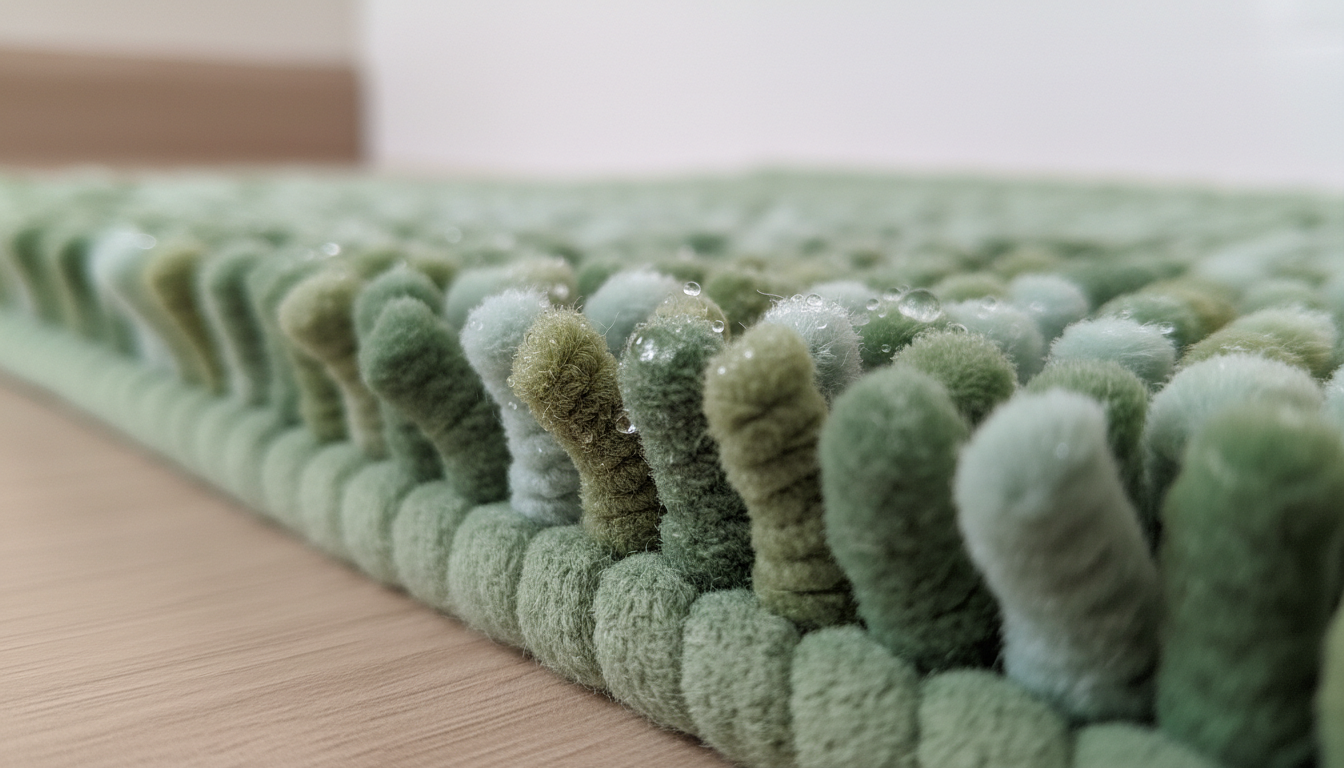
Because a mat is the first color you step on, green works hard: sage green calms, pine and forest lend depth, and teal-leaning tones add energy. Place the mat where you want the eye to rest—at the shower curb or centered under a vanity—then echo the shade with towels for visual rhythm.
| Green shade | Best pairings for a mat-centric scheme |
|---|---|
| Sage | White towels, light oak, matte black fixtures; softens grout lines and brightens the bath floor. |
| Forest/Dark | Brass, stone, concrete; acts as a color anchor that makes tile patterns feel composed. |
| Teal-leaning | Chrome, white porcelain, cool gray tile; adds pop without overwhelming small spaces. |
If your bathroom is tight, match the mat to the lighter green in your towels; the floor will recede visually, and your bath mat color will feel integrated, not isolated.
If slip resistance is your top priority, compare specialized traction-first pieces in this anti-slip range.
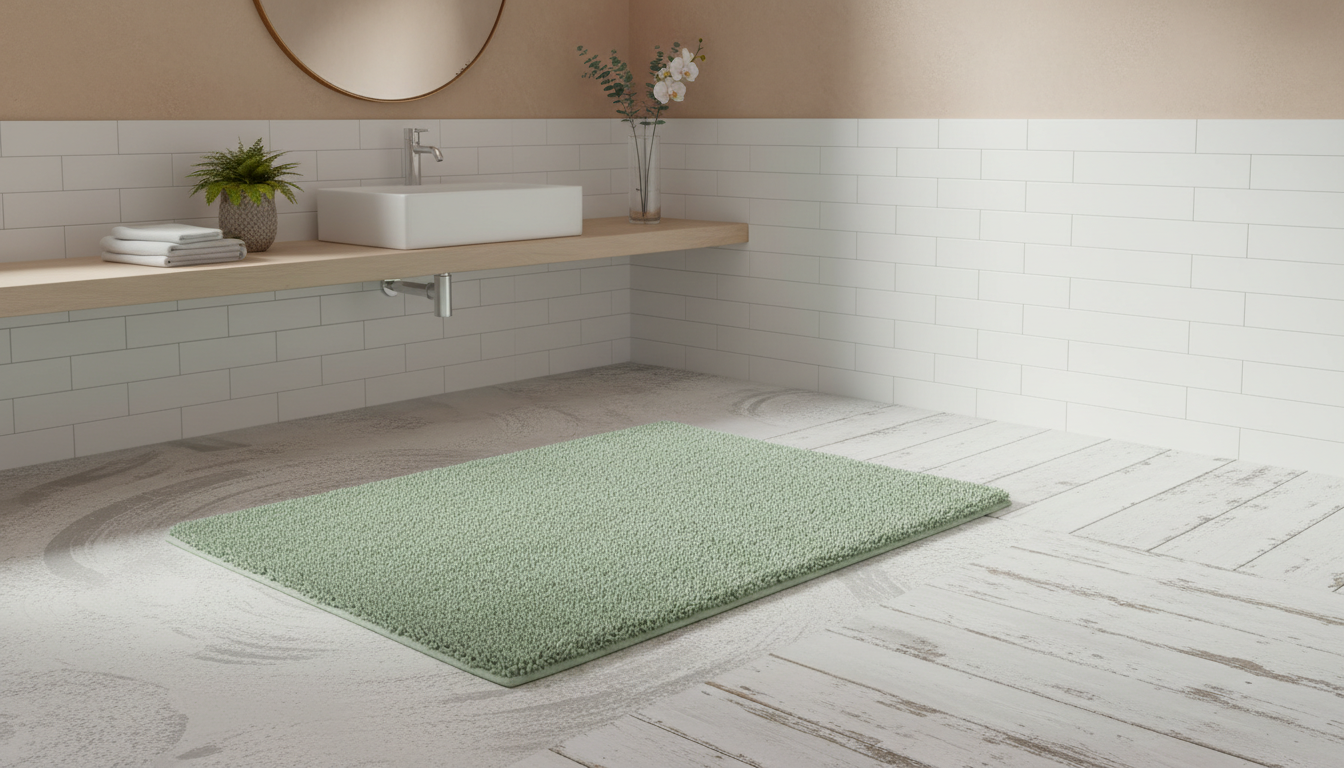
Use these criteria to zero in on the right mat for your bathroom layout and routine. Keep the focus on the mat’s structure: what’s underfoot, what touches water, and how it dries between uses.
| Use case | Recommended mat spec |
|---|---|
| Daily shower, small footprint | Non-slip grip, microfiber or terry, 20"×31" to concentrate traction at the curb. |
| Vanity standing comfort | Tufted cotton, long-loop pile, 24"×36" for cushioned support while you get ready. |
| Family bath, frequent washes | OEKO-TEX cotton or modal blend, quick-dry construction, colorfast dark or pine green. |
Craving an olive-toned floor pad with a stable base? See this olive-green option here: olive-toned mat with secure backing.
For lighter palettes and airy tiles, consider a seafoam shade that brightens the room: soft green floor mat in a light tone.
A green mat calms the eye and frames wet zones without darkening the room. Sage and light green feel fresh under bright light, while forest tones ground patterned tile. Unlike neutral-only options, green adds subtle character at floor level and makes towels and accessories easier to coordinate.
A mat is engineered for splash points: higher absorbency, faster drying, and better traction. Bathroom rugs often prioritize area coverage and pattern. If you want targeted performance by the shower or tub, the mat leads; use a larger rug elsewhere for warmth and texture. Explore a darker, saturated option here: deep emerald floor mat for bold contrast.
Tufted cotton provides plush comfort, strong absorbency, and straightforward machine care. Long-loop constructions cushion heels and pull water down into the pile. Look for OEKO-TEX labels and reinforced edges. Prefer a gentler hue? Consider this sage-green mat with plush loops.
Yes—lighter greens keep floors bright, and slim profiles slide under doors. Place a 20"×31" mat at the shower exit and repeat the hue with hand towels. In compact spaces, choose quick-dry microfiber or terry so the mat resets faster between showers.
Shake after use to release moisture, then machine wash warm with like colors. Tumble on low or air-dry; avoid fabric softeners on microfiber. For deeper tones, colorfast dyes help prevent fading. For a saturated look built for frequent laundry, see this dark green mat designed for regular washing.
A green bath mat refines daily routines: steady steps on wet tile, fast water pick-up, and a tonal anchor that brings calm to the room. Choose your backing, pile, and shade with intent—sage to lighten, forest to ground—and confirm care details for easy upkeep. For more bath-focused floor options, browse complementary collections as you finalize your setup.


