


Tired of stepping on a damp mat? This 2026 guide shows how a mold resistant shower mat quick dry setup keeps your bathroom fresher, safer, and easier to maintain.
You’ll learn what makes a mat dry fast, which materials shed moisture best, and the daily habits that keep surfaces dry after every shower.
Rapid evaporation: grip and comfort
Fast-dry performance starts with physics. A mat that spreads water into thin films and vents it quickly will return to a clean, dry feel between showers while keeping a stable, non-slip surface.
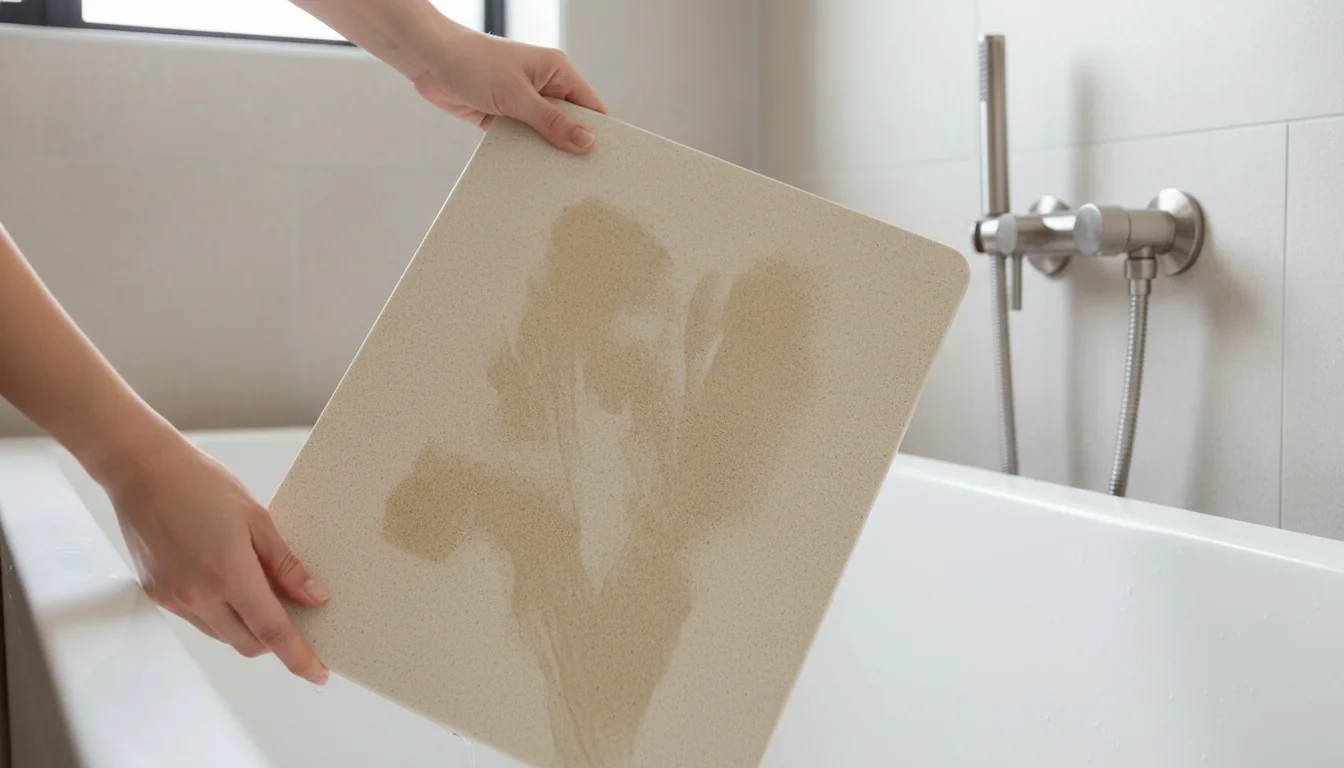
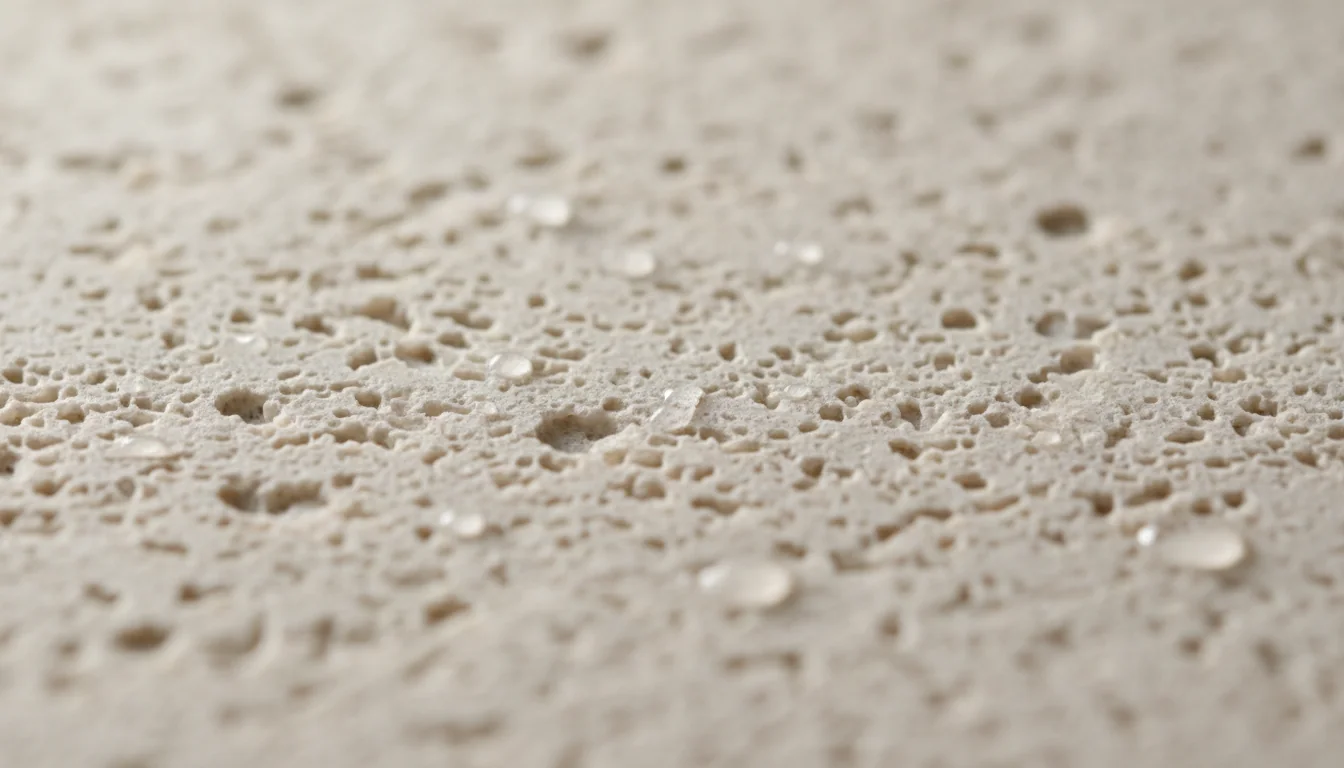
- High-porosity surfaces wick and evaporate fast (e.g., diatomaceous earth “stone”).
- Open-structure “loofah” PVC layers drain and let air move through.
- Perforations and drain holes prevent pooling in the tub or shower stall.
- Raised ribs create an airflow gap underfoot to help it dry out.
- A non-slip surface balances texture with quick runoff.
Hang to dry after each use. Even quick-drying mats shed moisture faster when they’re vertical and ventilated.
Here’s how common materials manage water and maintain a dry, stable footing.
| Material | Drying behavior and feel |
|---|---|
| Diatomaceous “stone” | Super absorbent surface that spreads droplets thin; returns to a clean, dry touch quickly; firm underfoot. |
| Loofah-style PVC | Open mesh drains fast; cushioned; stays dry thanks to airflow, especially with perforations. |
| Bamboo/wood slats | Gaps allow runoff; dries well if lifted; feels stable; needs periodic oiling to resist moisture. |
| Microfiber/chenille | Soft and absorbent; slower to dry unless hung; best outside the tub, not inside the shower. |
Fast-dry doesn’t mean brittle. Many quick-drying mats are durable with stable traction, even when soapy.
Bottom line: prioritize rapid evaporation and ventilation to keep the surface dry without sacrificing comfort.

Airflow design: mold control
Mildew thrives in damp layers. A mat that dries between uses starves microbes, making a mildew resistant setup far easier to maintain.
- Lift edges or the whole mat so trapped moisture escapes quickly.
- Choose suction cups with channels so water can drain out.
- Look for antimicrobial treatment as a backup, not the main defense.
- Prefer BPA- and phthalate-free plastics for low-odor bathroom use.
- Pair with a water-repellent shower curtain to keep the floor dry.
Leaving a mat pressed down for days traps moisture; lift and air-dry to avoid mold and mildew under the mat.
If you need more options for a shower stall or tub, browse our shower mat range to compare vented and perforated designs that stay drier.
By Jan 4, 2026, hygiene guidance still favors mats that dry fast over chemical coatings alone.
When the mat and the floor beneath both dry fully, the bathroom stays fresher and slip-free.
Material choices: speed vs feel
Different build types balance dryness, grip, and softness. Select based on where the mat sits and how quickly you want it bone-dry.
- Inside the shower: loofah PVC or perforated rubber dries rapidly and stays grippy.
- Outside the tub: stone bath mats pull water fast, leaving the floor dry.
- Wood slats (bamboo, hinoki) promote airflow; oil periodically to resist moisture.
- Textile rugs feel plush but need hanging to fully dry after bathing.
If you like softness, use a plush rug outside the shower but hang to dry after use to keep it fresh.
If plush texture is your priority for the outer area, see this chenille bath mats and plan a drying routine so it returns to a clean, dry state daily.
Textured tops increase contact and help footprints dry faster while maintaining traction.
Match the material to position and airflow to keep the whole zone dry.
Daily routine for a drier bathroom
Quick-dry materials work best with small, repeatable habits that move moisture out of the bathroom fast.
- Rinse the mat top to remove soap film that can hold water.
- Lift two corners to break suction cups so air reaches the base.
- Prop vertically on a wall or over the tub edge to accelerate dry time.
- Open a window or run the fan for 15–20 minutes post‑shower.
If you lack hanging space, install a spare towel bar just for the mat. That simple fix speeds the dry-down dramatically.
These steps reinforce the mat’s mold resistance by shortening wet time after every use.
Cleaning that supports quick drying
A clean surface dries faster. Residues act like tiny sponges, slowing evaporation and inviting mildew.
- Loofah and vinyl/TPE: rinse after use; machine‑wash periodically on gentle; air‑dry flat.
- Stone (diatomaceous earth): wipe with a damp cloth; revive with a very light sanding to refresh pores.
- Textiles: launder without fabric softener; it coats fibers and slows dry time.
- Underside: scrub suction areas to remove soap scum that traps moisture.
24–48 hours of persistent dampness is enough for mildew to colonize porous surfaces.
Choose pH‑balanced cleaners, and avoid heavy oils. A residue‑free finish helps the mat return to dry quickly after every shower.
Layout choices that dry the floor
Placement affects dryness as much as material. Cover splash zones without blocking the drain or ventilation paths.
- Inside the shower: align perforations with drain flow to prevent pooling.
- Threshold: use a slim, quick‑dry textile that won’t wick water back toward the stall.
- Corner stalls: match the footprint to avoid curled edges that trap moisture.
- Bathtub fronts: keep a gap to let air pass between mat and tub side.
Avoid stacking a plush rug directly on top of an in‑shower mat; the trapped layer stays wet longer.
A thoughtful layout gives water a path out and air a path in, which is the essence of a dry-first bathroom.
How to set up a dry-first routine
- Before showering: position the mat so perforations align with the drain.
- After rinsing: shake the mat to shed beads; rinse and shake cuts soap film.
- Break suction: lift two sides and lean it vertically for airflow.
- Ventilate: run the fan or crack a window for 15–20 minutes.
- Weekly: deep clean, then sun‑dry to reset freshness.
Ventilation is key. Even the best quick‑dry mat needs moving air to finish the job.
Stone options are excellent for a dry-first setup; see a natural stone option if you prefer a rigid surface that wicks instantly.
If you like softness at the threshold, a thin, airy pile helps water evaporate faster; here’s a plush microfiber example that pairs comfort with quick dry-down.
Why prioritize a dry mat?
Fast drying reduces slip risk, keeps the floor clean, and limits odors. A drier surface is less inviting to mildew, making upkeep simpler day after day in 2026.
How do quick-dry designs compare to thick rugs?
Dense rugs feel plush but hold water longer. Quick‑dry mats use airflow, holes, or rigid pores to shed moisture faster, which improves hygiene and helps the bathroom stay dry.
What features matter most for staying dry?
Perforations, textured channels, an airflow gap underneath, and materials that resist absorption. A non-slip surface is vital too, so you don’t trade dryness for safety.
Is a quick-dry mat suitable for corner showers?
Yes. Match the footprint to avoid curled edges and blocked drains; a curved edge helps. Consider a quarter‑round format for corners to keep air moving and surfaces dry.
How do I keep my mat dry between family showers?
Prop it vertically and run the fan after each use. If the schedule is tight, alternate with a second mat so one fully air‑dries while the other is in use.
Do colors or finishes affect how dry it feels?
Light textures show water spots less, and thin piles dry faster. For a neutral, quick‑dry threshold, try this neutral grey rug that pairs well with most bathroom decor.
What about safety and materials (BPA, phthalates)?
Look for BPA‑free, phthalate‑free synthetics with good grip, or rigid stone surfaces. Both approaches can stay dry and help reduce microbial growth when ventilated.
A mold-resistant, quick‑dry shower setup is about smart materials, open airflow, and a simple routine that removes moisture fast.
- Pick designs that drain and breathe from both sides.
- Rinse, lift, and vent after each shower to speed drying.
- Clean lightly and avoid residues that slow evaporation.
For playful spaces that still dry fast, a thin, airy outside‑the‑tub mat such as a frog‑themed pick can keep splashes in check while staying light and easy to air.
0 comments