


Polyester microfiber is everywhere in 2026—towels, bedding, apparel, even softshell laminates. Yet users often discover its hidden limitations only after purchase.
Wondering where microfiber truly shines, and where its drawbacks show up in daily use? This article explains the structure behind the performance, the credible advantages, and the practical constraints you must manage.
You’ll get clear comparisons, care tactics that prevent early wear, and sustainability facts that matter right now.
Fiber geometry: where it caps out
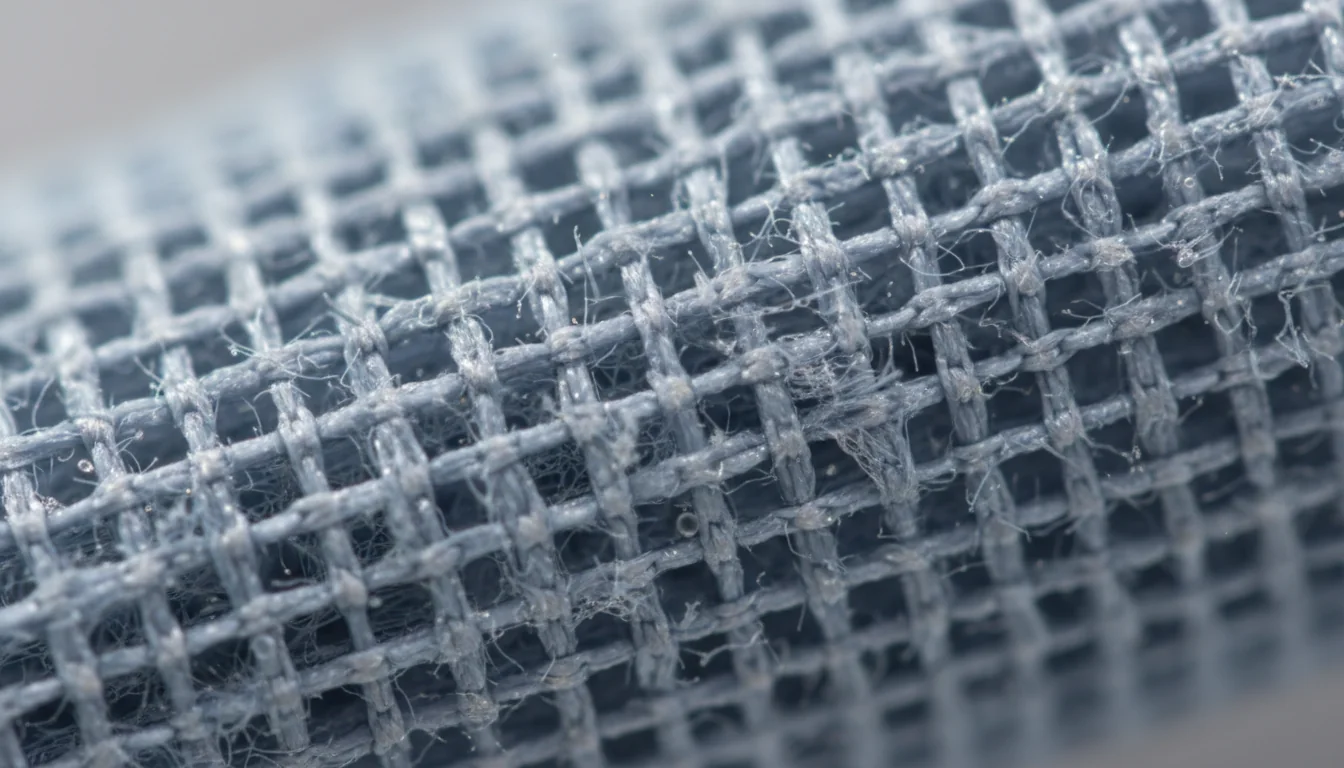
Microfiber means ultra‑fine filaments (often < 1 denier) spun into yarns with high filament counts. That structure boosts surface area and capillarity, yet it also sets clear limitations in snag resistance, static buildup, and seam stability.
- Composition trade‑off: finer microfibers improve softness but tend to pill and snag more easily.
- Yarn construction matters: tightly twisted yarn reduces fuzzing but can feel less plush.
- Loops vs sheared pile: high loops trap water well, yet show pulls; sheared piles feel sleek but lose height faster.
- Blends with viscose: add drape and absorbency, but increase drying time and shrink risk.
- Semi‑crystalline polymer regions add strength, while amorphous regions aid dye uptake and softness.
Higher filament count gives a silkier hand but raises linting risk—one source of microfiber shedding in the wash.
These structural boundaries explain why polyester microfibers present both clear strengths and structural limitations: plush touch and quick wicking, but sensitivity to pulls, static, and pile flattening under pressure.
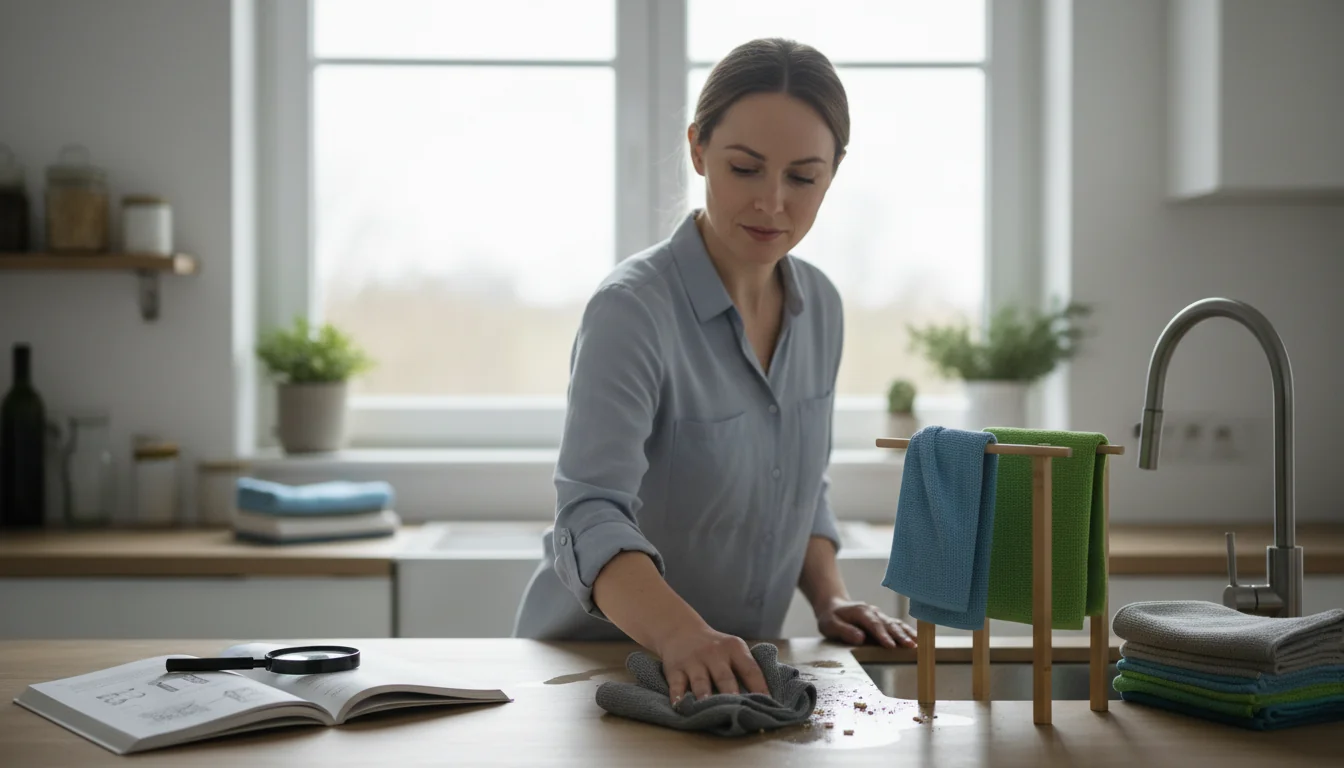
Moisture control: limits in real use
Microfibers wick moisture along the filament surface rather than absorbing deeply like cotton. That speeds drying, yet creates practical limitations under saturation, oils, and humidity spikes.
- Fast wicking but lower total absorbency per gram than cotton terry of similar mass.
- Oleophilic behavior: polyester holds onto skin oils, increasing odor retention without proper washing.
- Softshell laminates limit vapor flow: a 3‑layer structure—polyester microfiber face + membrane + microfleece—can feel clammy when exertion rises.
- Fabric softeners coat fibers, reducing capillarity and towel performance over time.
| Moisture scenario | Typical caveat |
|---|---|
| Heavy post‑shower toweling | Saturates faster; feels damp sooner than high‑loop cotton. |
| Gym humidity spikes | Trapped moisture near membranes; reduced breathability. |
| Oily residues on skin | Odor persistence without hot wash and proper detergent. |
Avoid fabric softener on microfiber. It clogs capillary pathways and amplifies moisture‑handling limitations.
In short, moisture benefits are real, but context matters. Expect the constraints to show up under oils, high loads, or layered composites.
Durability: heat and abrasion ceilings
Polyester’s semi‑crystalline structure delivers toughness, yet microfiber fineness changes the failure modes. The result: great day‑to‑day resilience, with clear limitations at heat, edges, and seams.
- Abrasion and pilling: ultra‑fine filaments break and form pills on rough tile, velcro, or backpacks.
- Thermal sensitivity: melt point ≈ 250°C; ironing or dryers on high can glaze or shrink pile.
- Heat set memory: creases can become persistent; careful pressing with a cloth is required.
- Seam slippage: dense microfibers reduce needle friction; poorly matched stitch density can cause runs.
- Chemical caution: oxidizing bleaches and some solvents degrade finishes and dyes quickly.
"Where microfiber shines in everyday robustness, heat and rough surfaces mark the boundary lines."
Tumble dry low and use laundry bags to reduce pilling—simple steps that push back durability limitations.
In multilayer composites (microfiber face + membrane + lining), resins and adhesives age under heat and stress, sometimes leading to delamination—the composite’s own limitation.

Comfort: static, sound, and feel
The hand feel of polyester microfiber is famously smooth. Yet users report comfort‑related constraints: static cling, rustle, and heat buildup—especially in bedding or tight apparel.
- Static charge in dry rooms causes cling; conditioning sprays help but add residues.
- Audible “swish” from dense weaves in quiet spaces—undesirable for bedding comforters.
- Warm sleep feel in Home & Kitchen bedding categories; less breathable than cotton per layer.
- Skin sensation: some perceive a “plastic” touch; viscose blends soften but trade away quick drying.
Tight weaves are quieter but warmer; looser ones are cooler but can snag—choose based on your main comfort limitation.
For All Season bedding sets and comforter categories, ensure fill and shell breathability testing is disclosed in spec sheets or PDFs; vague “breathable” claims often hide the real constraints.
Sustainability: shedding and circularity gaps
In 2026, the environmental profile of polyester microfibers is under scrutiny. The main limitations: microplastic release, chemical finishes, and recycling barriers—especially in laminated constructions and coated textiles.
- Microfiber shedding during domestic washing and drying contributes to aquatic microplastics.
- Dye, resin, and softener residues complicate fiber‑to‑fiber recycling and limit compostability.
- Composites (e.g., membranes bonded to microfiber faces) are hard to disassemble for mono‑material recovery.
- Recycled inputs help, but multi‑polymer blends (e.g., viscose + polyester) can hinder end‑of‑life options.
Independent studies highlight that filter bags and lint traps can cut microfiber release significantly—an effective response to sustainability limitations.
Look for transparent disclosures in catalogues and technical PDFs about shedding tests, recycled content, and dye/finish chemistry. Without them, circularity claims often exceed reality.
Use cases: boundaries by application
Microfiber shines in towels, cleaning cloths, and many Bedding Comforters & Sets. Still, each application has its own boundary where performance plateaus or trade‑offs dominate.
- Bath mats: fast drying, yet pile height compresses with traffic; edging can fray on sharp tile edges.
- Softshell outerwear: rain resistance is finite; hydrostatic head and breathability compete.
- Kitchen cloths: heat near pans exceeds safe limits; melted spots appear quickly.
- Upholstery: dense microfiber resists stains but attracts pet hair due to static.
For sports and softshells, prefer a 3‑layer laminated structure with specs for both water entry pressure and RET (or MVTR)—know the limitation before the storm.
Blends that pair microfleece, microfiber, and viscose liners elevate feel but reduce dry speed. Choose based on whether warmth or moisture flux is your bigger constraint.
Care checklist: reduce common drawbacks
- Sort by texture. Wash microfiber with smooth items to reduce pilling.
- Use liquid detergent. Skip softeners; add a splash of white vinegar in the rinse for odor.
- Choose cold to warm water. Gentle cycle at 30°C protects pile and backings.
- Tumble low or line dry. Shake mid‑dry to lift pile and cut wrinkles.
- Deep‑clean monthly. Warm soak with detergent booster to strip oils.
Do not overload. Friction spikes fiber breakage and lint release—two core limitations of fine filaments.
Prefer denser piles when you need comfort over maximal wicking. For extra cushioning in front of the tub, consider a plush bath mat option and follow the airflow‑first drying routine above.
Why choose polyester microfiber at all?
It wicks fast, dries quickly, and resists wrinkles. The main limitations are odor buildup, static, and lower moisture storage. If you manage those with care, you get reliable day‑to‑day performance.
How does it compare to cotton in a bathroom?
Cotton holds more water but dries slower. Microfiber dries faster but can feel clammy in humid rooms. For safer footing, try this slip‑resistant pick and ensure full drying between uses.
What are the real advantages in 2026?
Strong for the weight, quick to wash and dry, and effective at capturing fine dust. The trade‑offs remain microplastic shedding and heat sensitivity—two structural limitations you can’t ignore.
Is microfiber suitable for compact bathrooms?
Yes, it dries fast in tight spaces. Choose smaller formats to expose more edges to air—something like a half‑moon layout helps airflow while keeping splash zones covered.
How should I care for striped or textured piles?
Wash inside out in a mesh bag, use liquid detergent, and avoid softeners. If you like patterns, a striped alternative can show lint less, but manage pilling with gentle cycles.
Can I iron microfiber to restore shape?
Avoid direct heat. Steam lightly from a distance and brush the pile with a soft garment brush. Direct ironing risks melting and glossy marks—an irreversible limitation.
Polyester microfiber excels at wicking, speed, and lightness. Respect its limitations—heat, odor, shedding, and pilling—and it will perform predictably in daily life.
- Choose fabric builds that match humidity and traffic.
- Use cool washes, no softener, and full airflow drying.
- Expect trade‑offs: structure and comfort come with boundaries.
For a balanced look and quick dry feel, explore a Scandinavian‑style bath rug and apply the care checklist to keep performance steady.
0 comments