


How long should a TPE suction cup keep its grip? And what truly controls that lifespan in real-world use?
In this 2026 field-tested guide, you will learn how materials, surface prep, loading, and environment shape the working life of TPE suction cups. We focus on measurable hold over time, diagnostic cues before failure, and practical routines that extend service life without guesswork.
Materials drive longevity: TPE formulas
Thermoplastic elastomer (TPE) is a family, not a single recipe. Blend choices—base polymer, plasticizer system, and stabilizers—govern elasticity, creep, and aging. That chemistry sets the ceiling for service life before grip decays.
- Shore A durometer: softer lips (40–50A) seal better on micro-texture; harder grades (60–70A) resist creep longer.
- Plasticizer stability: low-volatility systems slow oil bleed, preserving lip compliance and long-term hold.
- UV/ozone packages: antioxidants and HALS reduce cracking, extending outdoor longevity.
- Chemical resistance: better resistance to detergents and alcohols keeps the rim from hardening over months.
- Colorants and fillers: carbon black can improve UV stability; heavy fillers may stiffen lips, reducing seal formation.
Two cups that look identical can age very differently. A UV-stabilized TPE can outlast an unstabilized version by 2–3x outdoors.
Key takeaway: choose a formulation aligned with environment and duty cycle. That match is what translates into longer useful life, not cosmetics.

Grip over time: surface and load
Initial pull feels great on many cups; sustained hold is another story. Surface energy, roughness, and load direction decide whether vacuum loss is slow or sudden over the product’s lifespan.
- Substrate: glass, glazed tile, and polished metal maintain vacuum; porous wood and dusty paint shorten retention.
- Cleanliness: skin oils, silicone residues, and soap film can cut hold by 30–60% over hours.
- Load vector: shear loads creep faster than direct tension; design for the worst vector you expect.
- Temperature: warm surfaces soften TPE, improving sealing but increasing creep; cold stiffens lips, reducing seal quality.
- Cycle frequency: repeated attach–detach events accelerate lip wear and reduce long-term grip.
Never rate longevity from a single 10-second pull test. Assess hold after 24–72 hours under expected load and humidity.
When measured, time-based hold becomes predictable. That clarity prevents overestimating the working life of TPE suction cups.
Aging factors: heat, UV, chemicals
Longevity depends on what the cup endures between uses. Thermal cycling, sun exposure, and cleaners change the lip’s micro-geometry and elasticity.
- Heat: accelerates plasticizer migration and compression set; store below 30°C for longer shelf life.
- UV/ozone: cause surface cracking and embrittlement; use black or UV-stabilized grades outdoors.
- Chemicals: alcohols are usually safe; hydrocarbons and essential oils can swell or harden TPE, shortening lifespan.
- Moisture: water ingress at the rim undermines vacuum; drying cycles prevent biofilm and preserve hold.
| Factor | Effect on service life |
|---|---|
| Temperature cycling | Increases compression set; check seal line for flattening |
| Detergent residue | Reduces surface energy; leads to faster vacuum leak |
| Sunlight exposure | Micro-cracks; lip stiffening; shorter outdoor longevity |
Rinse with warm water, then wipe rims with 70% IPA. Avoid solvent blends that smell like fuel—those shorten the cup’s lifespan.
Treat TPE like any elastomeric seal: protect it from heat and harsh chemicals to preserve its operational life.
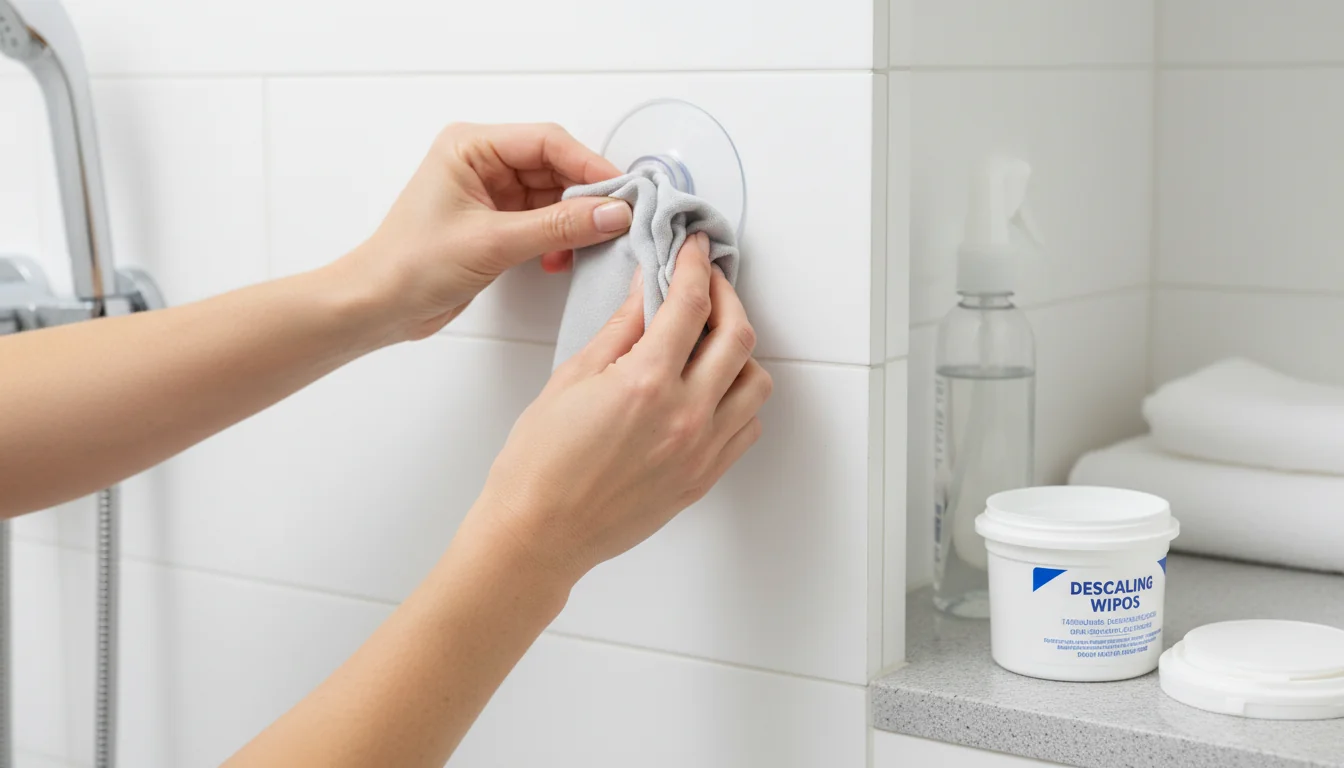
Care routines: extend working life
Maintenance is the simplest lever you control. Light, regular care slows the decline in grip and keeps day-to-day performance close to new.
- Weekly wash: mild soap, warm rinse, air-dry upright to avoid lip deformation.
- Residue audit: look for chalky lines or oily sheen at the lip—both reduce hold.
- Surface refresh: remove soap scum and biofilm on tiles, mirrors, or steel before re-mounting.
- Storage: keep cups clean, uncompressed, in a ventilated bag away from heat and sunlight.
- Rotation: alternate between two sets in frequent-use areas to limit cumulative compression set.
In bathrooms, gentle descaling every 2–4 weeks prevents mineral rings that undermine the seal line and shorten the lifespan.
Where suction aids safety—think wet zones—apply PPE good sense: hygiene, inspection, and secure mounting are part of everyday risk control.
Design choices: size, lip, durometer
Geometry can compensate for tough surfaces and loads. Pick features that maintain hold as the cup ages, not just on day one.
- Diameter: larger cups spread load and tolerate slight roughness; smaller cups excel on very smooth glass.
- Lip profile: thin, compliant rims seal at low force; micro-ribs help on fine texture.
- Durometer: 40–50A for sealing finesse; 60–70A for creep resistance.
- Stiffener/backing: helps resist shear deformation, preserving long-term grip.
- Release tab: encourages proper detachment, preventing rim nicks that shorten service life.
“The materials used for the construction of equipment should not endanger health and safety, and must be chosen for the foreseeable lifetime of the product.”
If your load is mostly shear, choose a cup with a braced hub and a slightly harder compound to preserve lifespan under lateral stress.
Selecting geometry for the duty profile keeps operational life consistent, even as the TPE gradually sets.

Replace on time: inspect and retire
No elastomer lasts forever. Proactive checks avoid surprise drops and align replacement with the cup’s realistic life expectancy.
- Lip check: look for flat spots, micro-tears, whitening, or sticky feel—each signals end-of-life.
- Leak test: mount on clean glass, load lightly, and time to first slip; compare to baseline records.
- Compression set: if the rim won’t rebound in 5–10 seconds after pinch, schedule retirement.
- Usage log: high-cycle applications deserve earlier refresh to maintain safety margins.
- Environment tally: heat and sun “spend” the lifespan faster—shorten intervals accordingly.
If a cup supports any safety-critical load, treat it like PPE: retire at the first sign of lip damage or unexplained hold decay.
Timely replacement preserves reliability and prevents the last phase—rapid grip loss—from catching you out.
Step-by-step care to extend service life
- Clean the surface: remove soap film, dust, and oils before mounting.
- Prep the cup: warm rinse, shake dry, quick IPA wipe on the rim.
- Mount with pressure: center, press evenly, evacuate air by firm push.
- Load wisely: favor tension over shear; add secondary support when wet.
- Dry and store: detach via tab, air-dry, store uncompressed away from heat.
For wet floors, combine suction with a stable base to safeguard lifespan-driven grip. See this grippy bath base mat example.
Twisting the cup off without using the release tab tears the lip. That single action can halve the remaining lifespan.
Why focus on service life?
Because the risk appears after hours, not seconds. Measuring hold decay and maintaining the seal line prevents late-stage failures in daily use.
How does TPE compare to common alternatives?
Versus many PVC cups, TPE often seals better on micro-texture and resists cracking. With UV stabilizers, outdoor longevity improves further; indoor, both can perform well. For wet floors, a wave-textured base like this bath mat profile supports consistent grip.
What’s a realistic replacement interval?
Base it on environment and cycles. Inspect monthly in hot, sunny, or chemical-rich areas; retire at first lip damage or when hold time drops by 30% from baseline.
Do larger cups always last longer?
Not always. Bigger rims tolerate roughness but may creep in high shear. Balance diameter with lip profile and durometer for your actual load path.
Which cleaners protect longevity?
Use warm water, mild dish soap, and 70% isopropyl alcohol on the rim. Avoid turpentine-like solvents. On floors, a pebble-texture base such as this pebble-effect format reduces slime buildup around suction areas.
What safety practices matter most?
Treat mounting like a safety step: clean, press, verify, and re-check after the first hour. In wet zones, add secondary support to maintain margins as the cup ages.
Can I use TPE cups on painted walls?
It’s unreliable. Paint porosity and dust create slow leaks, shortening hold time. Prefer glazed tile, glass, stainless steel, or sealed acrylic.
How do PPE concepts relate here?
Like PPE, cups need inspection, cleaning, and timely retirement. That mindset preserves functional lifespan where slips carry real risk.
Lifespan is engineered, maintained, and monitored—choose the right TPE, care for the seal, test under time, and, in wet spaces, pair with stable bases like a lagoon-blue option to keep margins wide.
- Match formulation and geometry to loads and environment.
- Clean and store to slow creep, cracking, and seal fouling.
- Inspect and replace at the first signs of lip fatigue.
Use these 2026 practices to preserve grip and avoid last-minute surprises.
0 comments