


Slips happen fast, and a tired rug is the usual culprit. If you have wondered when to replace a worn bath mat: signs to watch for can feel vague—especially for households with kids or guests. This 2026 guide gets specific for safety, hygiene, and comfort.
What should you look for in daily use and after laundry cycles? How do timelines differ for cotton, foam, or stone-like surfaces? You’ll learn practical checks for traction, absorbency, and odor, plus a 5-step routine for confident replacement.
Slip safety: for edges that stay flat
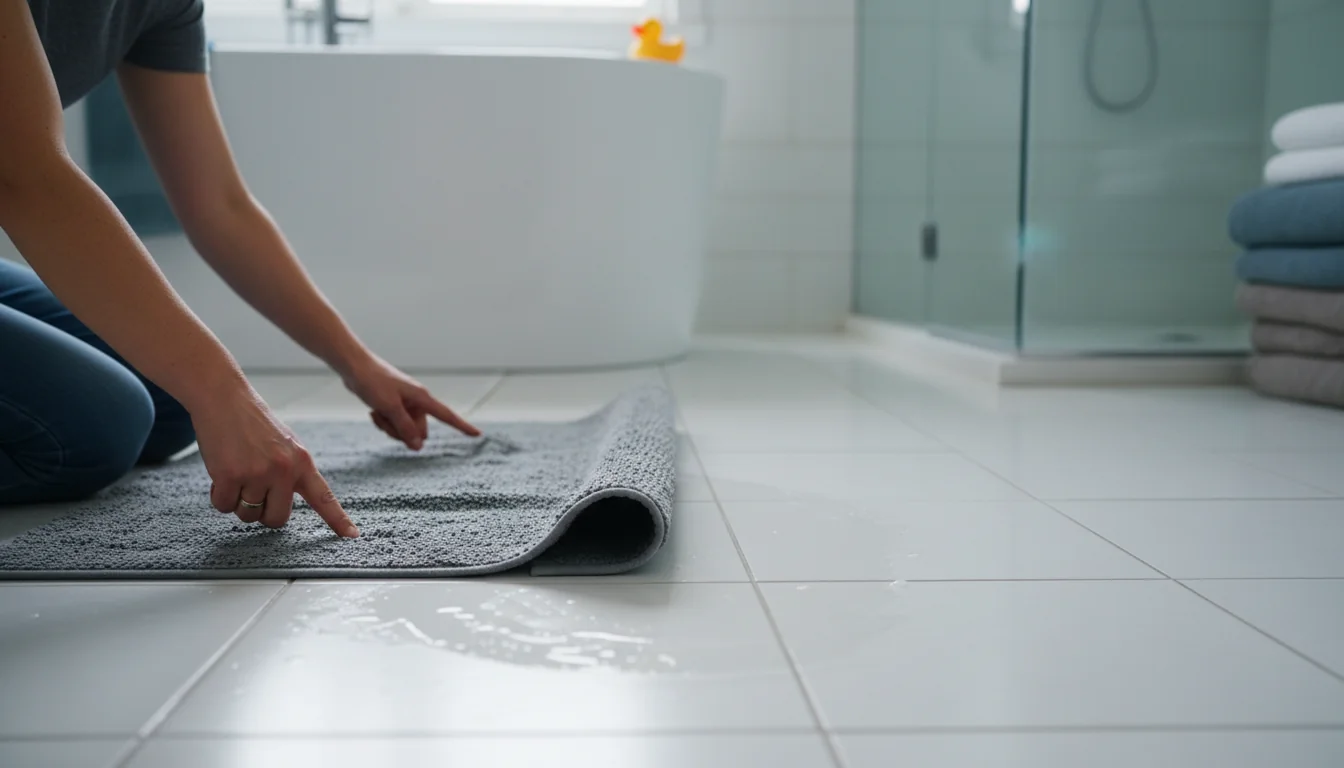
Your first filter for a bath mat is grip. A surface that slides or curls is the top reason for falls on wet floors. Prioritize signs that matter for traction before anything else.
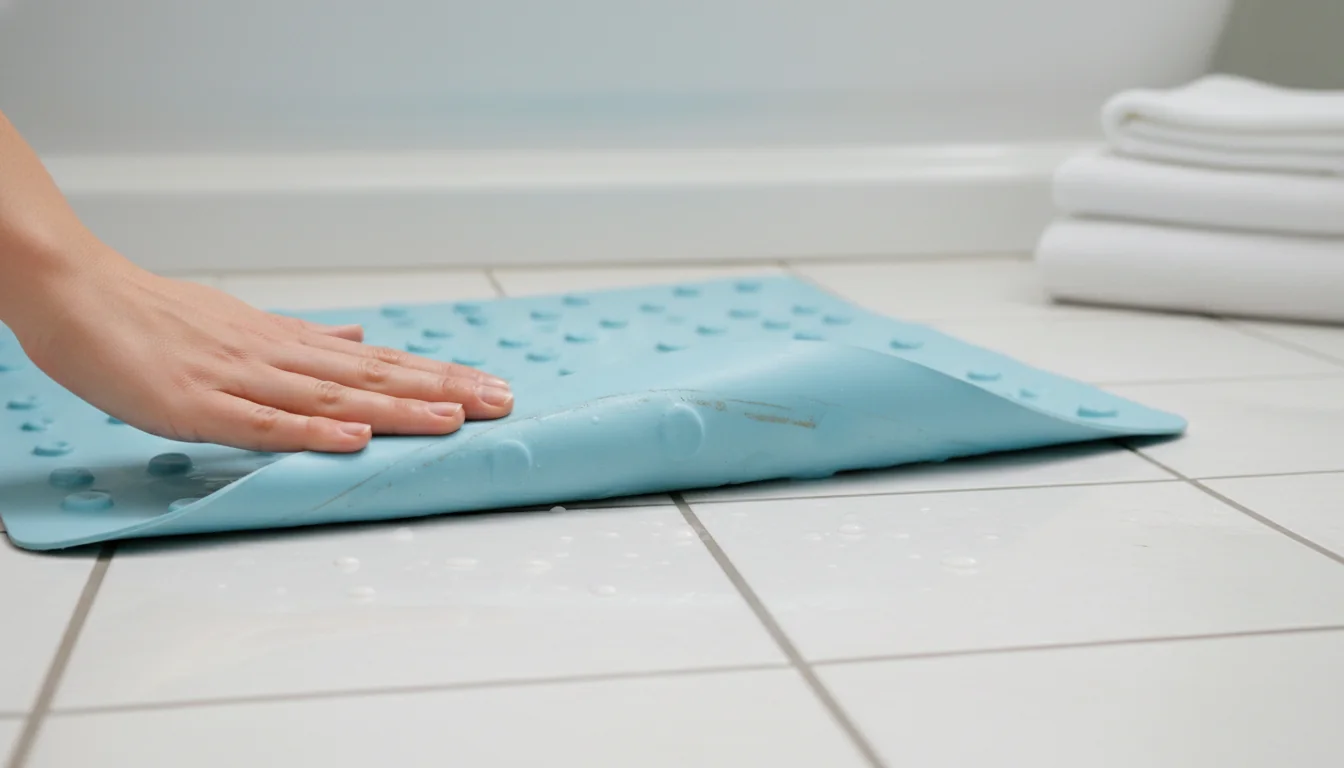
- Edges that curl or won’t lay flat after smoothing indicate a warped core or fatigued backing.
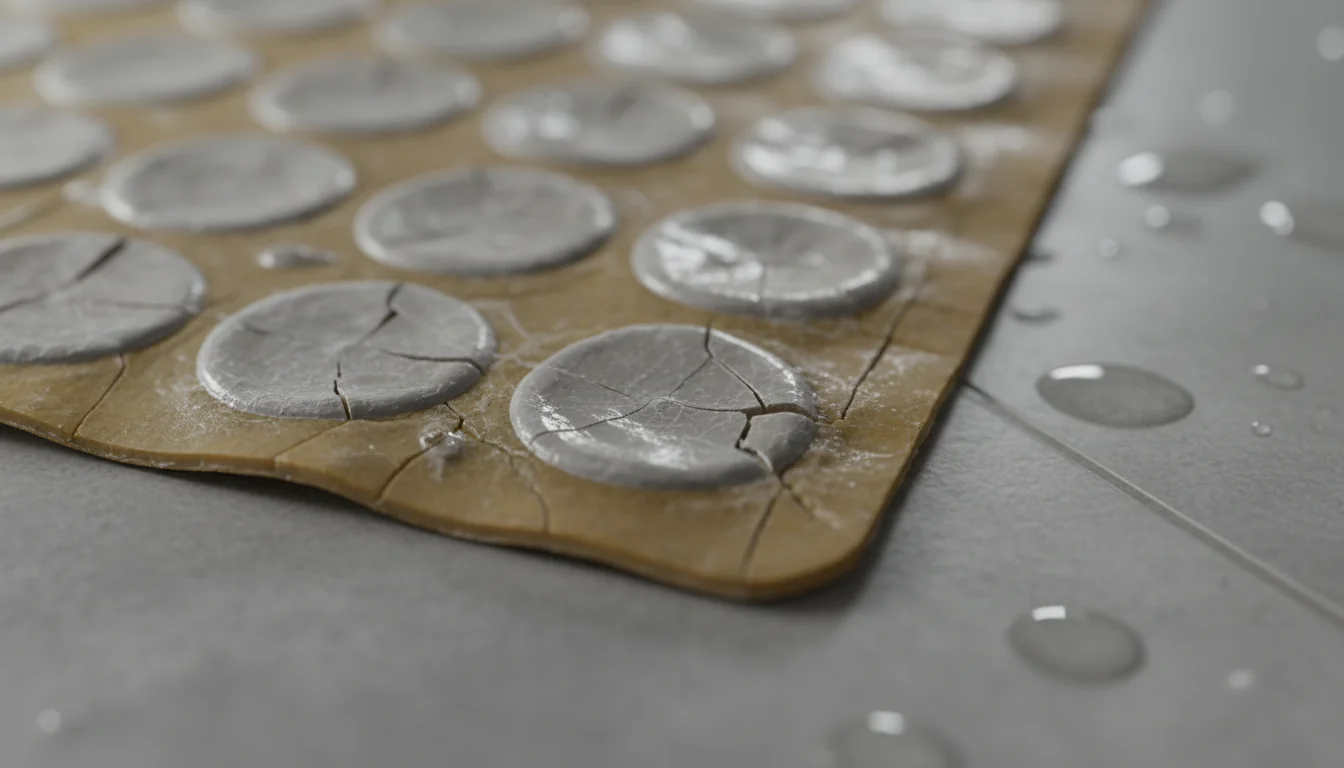
- Backings that feel chalky, sticky, or shed powder show visible degradation and reduced friction.
- Suction cups that won’t re-adhere after cleaning are past their effective life for tubs or tiles.
- A mat that slides with a light foot pivot fails the basic traction test on a damp floor.
For an easy check, mist the floor, step on the mat with damp feet, and gently twist. Any slide means it’s time to replace.
If your home includes seniors, toddlers, or anyone recovering from injury, set a stricter bar for grip. Choose materials and textures that keep edges flat under daily stress.
Hygiene checks: for odor-free bathrooms
Moisture is relentless. Your bath mat lives where water, soap residue, and skin cells accumulate. That mix invites odor and staining, clear indicators for replacement.
- Musty smell that survives washing signals trapped moisture or hidden mildew.
- Persistent dark spots or pinkish film mean biofilm buildup you shouldn’t ignore.
- Yellow haloing around edges can point to long-term hard-water staining in the backing.
- Color bleed onto towels or floors after showers shows unstable dyes under real-world use.
In 2026, health guidance still favors dry, stable walking surfaces. A mat that won’t dry in 24 hours is a risk for odor and slipping.
If you often juggle multiple showers in a row, rotate two mats for airflow. When odor or staining persists despite care, it’s time to replace for your home’s health.
For a broader set of textures and pile heights that manage vapor better, explore our wider bathroom-rug range.
Absorbency tests: for fast-dry comfort
Comfort is not just softness. A mat should drink up splashes and release moisture quickly. Flattened pile or a saturated core are key signs to watch for in daily routines.
- Blot test: Drop a teaspoon of water. If beads sit on top for >10 seconds, fibers are coated or worn.
- If your footprints stay dark past five minutes, the core holds too much water for quick turnover.
- Shedding in the lint trap after modest washes points to fiber fatigue.
- Memory-foam that compresses flat and rebounds slowly has lost structure for cushioning and intake.
For a spa feel, look for dense loops with open channels. They wick fast and breathe well between showers.
If your space calls for personality as well as function, browse playful, statement designs that still deliver on absorbency and grip.
Material timelines: for realistic lifespans
How long a mat lasts depends on material, ventilation, and laundry habits. Use these ranges for planning; replace sooner for high-traffic, humid homes.
| Material | Typical replacement window |
|---|---|
| Cotton terry / plush loops | 12–24 months under regular use |
| Microfiber (poly blends) | About 12–18 months, watch for linting |
| Memory-foam core | 9–18 months, earlier if rebound slows |
| Bamboo/rayon blends | Around 12–24 months with airflow |
| Diatomite/stone-like panels | 12–24 months, replace if chipped/cracked |
For homes with daily showers by 3–4 people, halve the high end of each range. Moisture load shortens lifespan.
If you need more coverage for wide vanities or double sinks, see larger formats for family bathrooms to spread wear and quicken drying.
Laundry clues: for evidence you can see
Laundry reveals aging faster than looks alone. Treat the care label like the mat’s “owner’s manual” for settings and detergents, and read what wash results say about condition.
- Excess lint in the filter equals fiber breakage; sustained shedding is a sign to replace.
- Cracking or rippling of the non-slip layer after a warm dryer cycle shows heat fatigue.
- A foam core that takes longer to dry each week points to saturation and trapped odor.
- Stone-like panels that stay damp or powder at the edges are ready for a swap.
As many safety notices say, never keep using items with visible damage. That holds for mats after rough washer and dryer cycles.
For front-loading washers, a low-spin cycle protects latex backings. For top-loaders with agitators, a mesh bag reduces snagging around edges and labels.
Safety benchmarks: for homes and guests
Safety is a system: stable base, quick-dry surface, and clear edges. Your goal is a mat that stays put for real shower patterns, not just showroom testing.
- Replace when traction fails on damp tiles, even if the top looks fine.
- Swap a mat if corners lift after squeegeeing the floor; that’s a snag hazard for toes.
- Prefer textures that provide grip underfoot without abrasive feel for bare skin.
- For guest use, set a calendar reminder to reassess mats each quarter.
If someone has slipped even once due to mat movement, retire that piece immediately and reassess floor prep.
For shared bathrooms, pick colors that make pooling water obvious, and fibers that signal wetness for quick wipe-downs.
Guide 2026: steps for a quick decision
- Look and touch: flatten corners, feel the backing, and check for cracks.
- Sniff and blot: odor after washing and slow water uptake both mean replacement.
- Twist test: on a damp floor, any slide is a fail for safety.
- Laundry readout: excess lint or warped layers are hard “no” signs to watch for.
- Date it: if you can’t recall when you bought it, you’re overdue to replace.
For busy homes, keep two mats and alternate daily. Airflow doubles and odor halves.
Prefer plush cushioning for longer standing at the vanity? Consider this feather-soft option and still apply the same signs to watch for during checks.
Need fast evaporation for tiny spaces? A panel with capillary pores such as a rigid stone surface helps—replace if chips or deep scratches appear.
Why focus on signs to watch for?
Because safety and hygiene hinge on small clues. Watching for curling, odor, and slow drying lets you replace before slips or mildew affect your bathroom routine.
How does color play into decisions?
Light tones reveal moisture faster for quick wipe-ups. If you prefer bold accents, pick stable dyes like a vivid, color-rich mat and still track stains over time.
What if traction feels okay but it smells?
Replace for odor alone. A dry, stable surface that smells musty can still harbor biofilm. If traction also matters, try a white, anti-slip pick and monitor drying speed.
Are timelines different for humid climates?
Yes. For coastal or basement baths, reduce replacement windows by 25–40%. Use a dehumidifier and rotate mats to maintain a safer surface.
Any tips for family bathrooms with kids?
Go for textures that signal wetness at a glance and keep edges flush. A themed option like a fun, themed piece helps kids spot their landing zone post-shower.
Can I revive a tired backing?
No. Once latex or rubber fatigues or cracks, adhesion won’t return. For safety, retire the mat and choose a fresh base with reliable grip for your floor type.
When to replace a worn bath mat: signs to watch for are simple—grip, odor, absorbency, and laundry clues. Track them in real use for a safer, more comfortable bathroom.
- Replace for traction at the first hint of sliding or curling.
- Retire for odor and stains that persist after proper care.
- Use timelines by material, and halve for heavy use.
Build the habit now, and 2026 showers will feel safer and fresher for everyone.
0 comments