


Shower Mat Non Slip


Slippery shower floors turn routine bathing into a risk. When soap, shampoo, and constant spray meet smooth bases, the surface coefficient of friction drops and the chance of a sudden slip rises dramatically. A dedicated Shower Mat Non Slip addresses that precise problem: reliable grip where feet meet water, and engineered drainage that limits hydroplaning.
This page is about one thing only—slip prevention inside wet areas. Expect technical clarity on suction performance, tread textures, and hole layouts that evacuate water fast. You’ll see how the right mat curbs unexpected skids for kids, adults, and older users, while staying comfortable underfoot. Browse the sections below to match grip technology, materials, and sizing to your shower base, then choose with confidence.
Inside a wet stall or tub, effective anti-slip design combines three elements: underside adhesion, top-surface texture, and water management. When these align, the mat resists lateral movement and reduces slippage even with soap film present. Look for dense suction arrays and a textured tread that maintain a stable coefficient of friction (COF) under real use.
Effective slip reduction is measurable: dense suction patterns plus textured tread increase static friction so the mat resists movement even when a user shifts weight mid-shower.
| Grip method | Slip-control specifics |
|---|---|
| Suction cups (dense array) | Best on smooth tubs/shower pans; resists lateral drift; confirm seal before each use to maintain non-slip performance. |
| Loofah lattice (no cups) | Provides grippy texture and quick drainage; useful on some textured bases where cups can’t seal; relies on surface friction to curb slips. |
| Adhesive tread strips | Permanent or semi-permanent friction zones; suitable for irregular areas; strong against slip but less cushioned underfoot. |
“For true non-slip control, match the grip method to the base: suction on smooth, friction lattices on textured—then verify adhesion every time.”
Do not install suction-based mats on newly refinished or textured tiles. Without a seal, the mat can shift and compromise anti-slip protection.
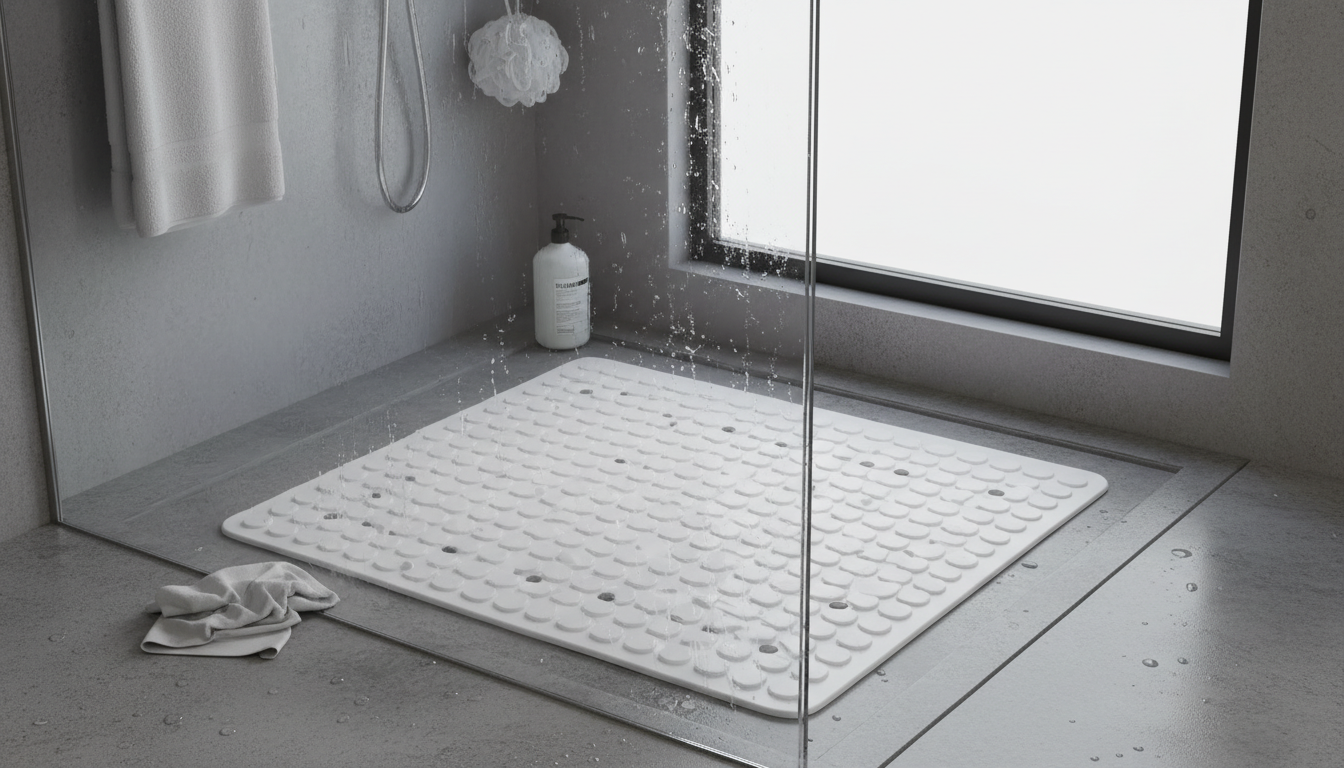
Slips often begin when a thin film of water and soap reduces friction underfoot. A non-slip shower mat counters this with strategic drain holes, raised channels, and open structures that move water away from pressure points quickly. The faster the evacuation, the lower the chance of a shear-induced slide.
| Drainage spec | Impact on slippage |
|---|---|
| High hole density (≥25% open area) | Rapid water clearance underfoot; minimizes hydroplaning risk during soapy rinse cycles. |
| Mixed hole diameters (center + micro-perimeter) | Combines bulk flow with edge wicking; keeps traction consistent across the mat. |
| Loofah lattice (no discrete cups) | Continuous channels vent water instantly; effective for reducing slick films on varied bases. |
If you need complementary pieces outside the shower to manage drips without adding slip risk, consider the wider bathroom mats range in the wider bathroom mats range. Inside the enclosure, keep the spotlight on drainage that preserves traction under consistent spray.
After rinsing, lift an edge to release residual water and hang to dry. This simple step preserves anti-slip texture by limiting biofilm and soap buildup.
Slip resistance depends on material elasticity, surface energy, and texture retention. PVC, TPE, and rubber each handle water and soap differently. Selecting the right compound ensures the mat maintains sure footing during long, hot showers and resists hardening that can reduce grip over time.
| Material | Slip-control behavior (wet) |
|---|---|
| PVC (including loofah-style) | Consistent grip with textured tops; loofah variants drain very fast; machine washable; can stiffen if over-dried. |
| TPE (soft, low odor) | Good elasticity keeps suction engaged; comfortable underfoot; stable traction across temperatures. |
| Rubber (classic) | High inherent friction; durable; heavier mats resist drift but require ventilation to deter mildew film. |
To extend anti-slip confidence to other wet zones beyond the enclosure, compare items in the anti-slip bath series while keeping a dedicated traction surface inside the shower for maximum safety.
Open-weave PVC “loofah” mats can reduce slippage on some lightly textured floors where suction cups won’t seal, thanks to continuous drainage and a grippy tread feel.
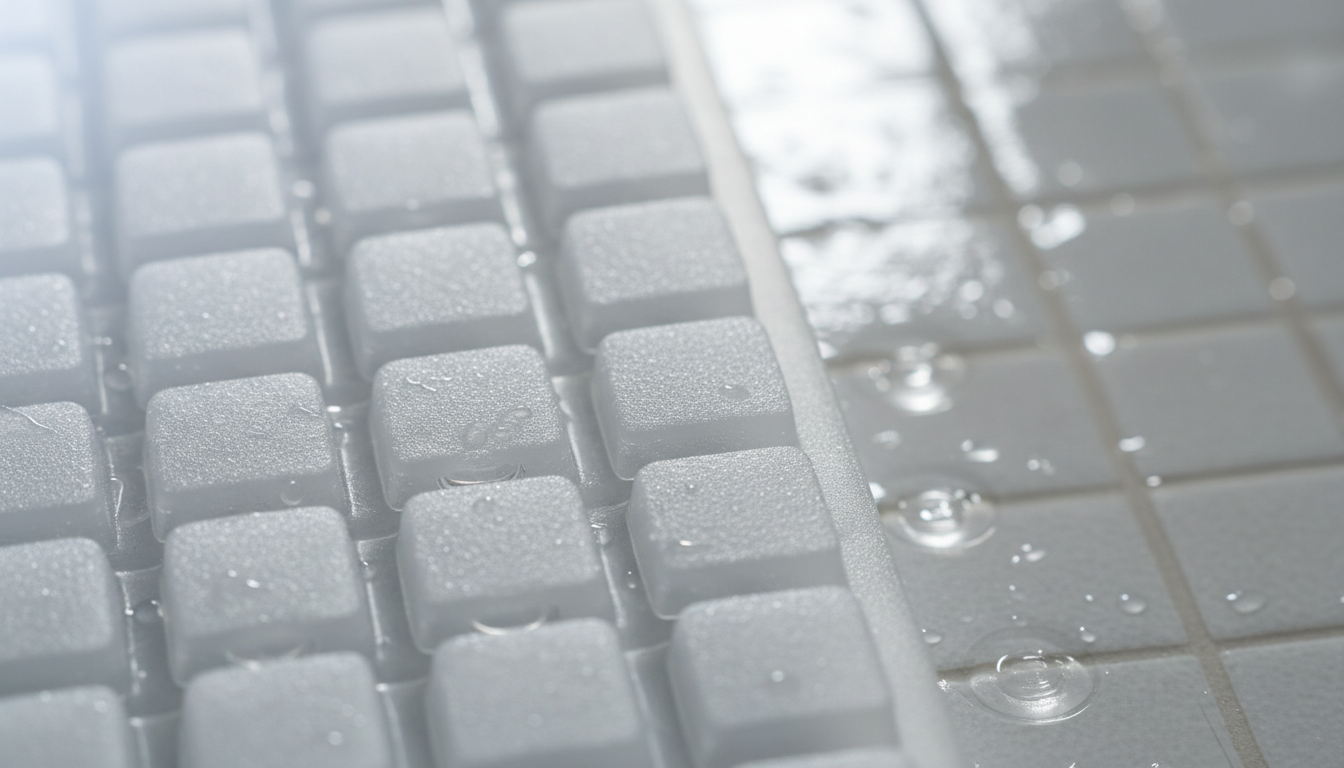
Coverage matters for non-slip control. A mat that spans entry, standing, and rinsing zones reduces transitions where slips occur most. Square 21×21 for stalls, 24×24 or 24×36 for walk-ins, and elongated formats for tubs are common. Confirm your drain position to avoid blocking flow and compromising traction.
| Base type | Size guidance for slip control |
|---|---|
| Compact stall (≈21–24 in square) | Square mat matching footprint; central drain aperture aligns to maintain traction during rinsing. |
| Walk-in shower (24–36 in spans) | Larger panel to cover step-in and soap zones; prioritize dense suction to prevent drift on smooth pans. |
| Bathtub (16×35, 16×39 in) | Elongated rectangle; keep drain holes open to avoid film formation that can trigger slippage. |
If your priority is traction when seated for bathing, review bathtub-focused options and ensure suction covers the full seating zone to minimize slide onset when changing position.

| Use case | Slip-focused choice |
|---|---|
| Smooth shower stall | Suction-cup mat with center drain hole; dense cups enhance anti-slip stability. |
| Lightly textured floor | Loofah-style PVC/TPE; relies on friction + rapid drainage to counter sliding. |
| Bathtub bathing | Elongated rectangle; suction array across sitting and standing zones to reduce slip when shifting. |
For curved entries, a quarter-round shower base mat design can maintain continuous contact at the arc, reducing slip points at the doorway.
Need broader coverage in a walk-in? An extra-large anti-slip choice spans step-in and rinse zones so traction remains predictable from first step to final rinse.
Inside the enclosure, slip resistance—not absorbency—is critical. Non-slip mats feature suction and textured treads that raise COF when wet, while typical rugs are designed for outside the tub. Using the right mat inside directly reduces skid risk under running water.
Adhesive treads offer permanent friction zones and are thin, but lack cushioning and full-floor coverage. A mat adds comfort plus suction-based stability and rapid drainage, curbing slippage across larger areas. For curved bases, see a quarter-circle bath mat to keep traction consistent along the arc.
Top priorities during purchase:
Suction cups need smooth surfaces to seal. For textured walk-ins, consider a loofah-style lattice that grips by friction and drains instantly. A walk-in mat option designed for open showers helps maintain traction without relying on suction.
Rinse after use, hang to dry, and machine-wash periodically if permitted. Keeping suction cups and tread free from soap film maintains wet-grip performance. Avoid bath oils, which reduce friction and undermine anti-slip stability.
Yes. Softer PVC or TPE compounds cushion the step while textured patterns sustain traction. Look for balanced thickness that feels gentle underfoot without sacrificing secure grip during longer showers.
Slip prevention inside the shower is a technical challenge solved by the right mix of suction, texture, and drainage. Choose a Shower Mat Non Slip sized to your base, align the hole pattern with the drain, and maintain clean treads for consistent anti-skid control. For open, linear layouts, explore an anti-slip for walk-in bases to keep footing steady from entry to rinse.


